
Sensory Play Ideas for Toddlers — 25 Easy Activities at Home
Quick Answer
Sensory play ideas for toddlers include sensory bins, water play, playdough, cloud dough, rice bins, and finger painting. These activities stimulate touch, sight, sound, smell, and movement — supporting brain development, emotional regulation, and fine motor skills. Most can be set up in under 5 minutes using items already in your home.
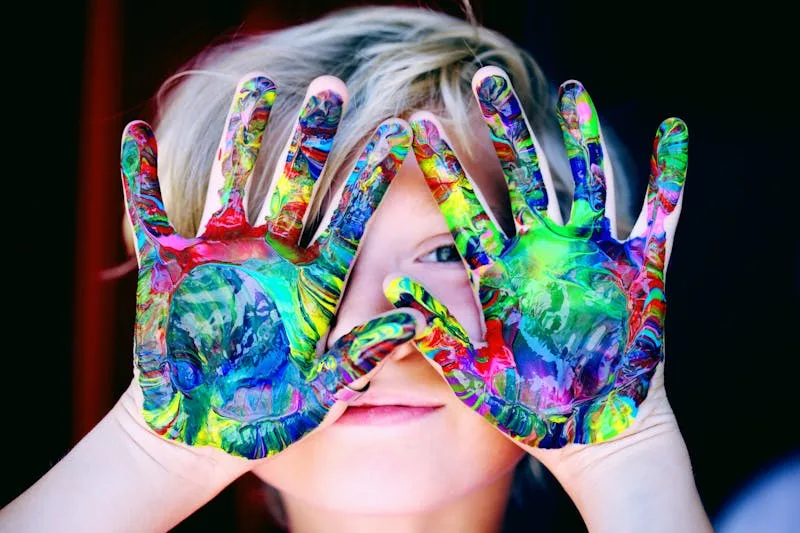
Photo: Pexels
It's 4:30pm. Your toddler is bored, restless, and circling the living room making that whining sound you know so well. You're exhausted. The TV is right there. But before you reach for the remote — there is a better option that takes less than five minutes to set up, keeps them genuinely busy for 30 to 45 minutes, and actually supports their development while you catch your breath.
Sensory play ideas for toddlers are one of the most practical tools in the working mom toolkit — not because they require elaborate Pinterest boards, but because the best ones use what you already have. A bowl of rice. A tray of water. A lump of playdough. That is genuinely all it takes to create an experience your toddler will find completely absorbing. At allthingstoddlers.com we focus on practical activity solutions for working moms — and sensory play sits at the top of the list for a reason.
What Is Sensory Play and Why Does It Matter for Toddlers?
Definition
What is sensory play for toddlers?
Sensory play is any activity that engages one or more of a child's senses — touch, sight, sound, smell, taste, movement, and balance. Research shows sensory play builds neural pathways that support learning, language development, emotional regulation, and fine motor skills in children aged 0 to 5 years.
Most people think of five senses — but child development experts agree that toddlers are actually developing seven sensory systems. Beyond the familiar touch, sight, sound, smell, and taste, the vestibular system (movement and balance) and proprioception (body awareness — knowing where your body is in space) are equally critical. Sensory activities for toddlers that involve movement, jumping, carrying, and climbing engage all seven systems simultaneously.
Why does sensory play matter so much in the toddler years specifically? Because ages one through four represent the most intensive period of brain development a person will ever experience. Research shows sensory play builds neural pathways in the early years that are critical for more complex learning tasks as children grow — from reading and writing to emotional regulation and social skills.
🧠 Research shows sensory play builds neural pathways in the early years that are critical for more complex learning tasks as children grow — including reading, writing, emotional regulation, and social skills.
The other thing worth saying clearly: sensory play does not need to be expensive, complicated, or Instagram-worthy. The most developmentally valuable toddler sensory experiences happen in a plastic tray on the kitchen floor with a bag of rice and a few spoons. The benefits come from the exploration itself — not from the aesthetics of the setup.
Benefits of regular toddler sensory play at home include: stronger neural connections, improved fine motor skills, expanded language acquisition (labelling textures, temperatures, colours), better emotional regulation, longer attention span, and reduced anxiety and meltdown frequency. Our guide to helping toddlers manage big emotions explains the connection between sensory grounding and emotional regulation in more detail.
25 Easy Sensory Play Ideas for Toddlers at Home
These easy sensory activities for toddlers are organised by sensory type so you can quickly find what fits your materials and your toddler's current needs. Every activity includes what you need, how to set it up, what your toddler learns, and the best age range.
🤲 Touch Activities
Classic Sensory Bin
What you need: A plastic container or baking tray, rice or dried pasta or dried beans, a few scoops or cups
How to set it up: 1. Pour your filler into the container — about 3 to 5cm deep. 2. Add spoons, cups, or small toys to dig for. 3. Set it on the kitchen floor or outside on a mat.
What they learn: Fine motor skills, hand-eye coordination, cause and effect, pouring and measuring concepts
Best for: 12 months+
Playdough Play
What you need: Homemade playdough: 2 cups flour, 1 cup salt, 1 cup water, 2 tbsp oil, food colouring — or store-bought
How to set it up: 1. Mix flour, salt, oil, and colouring. 2. Add boiling water gradually and stir until dough forms. 3. Knead until smooth. 4. Hide small objects inside for your toddler to find as an extension.
What they learn: Strengthens hand muscles, supports fine motor development, encourages creativity and imaginative play
Best for: 18 months+
Cloud Dough
What you need: 8 cups plain flour, 1 cup baby oil or vegetable oil
How to set it up: 1. Mix flour and oil together until it resembles damp sand. 2. It should hold its shape when squeezed and crumble when released — adjust oil ratio if needed. 3. Add to a tray with moulds or cups.
What they learn: The texture is uniquely satisfying — it moulds and crumbles, giving rich tactile feedback that toddlers find deeply engaging. Builds hand strength and sensory tolerance.
Best for: 18 months+
Finger Painting
What you need: Edible paint for under 2s (mix cornstarch and water with food colouring), paper or a tray
How to set it up: 1. Mix cornstarch and water to a thick paste, add colouring. 2. Tape paper to a tray or table. 3. Let them go — feet painting and bubble wrap printing are great extensions.
What they learn: Creative expression, colour learning, fine motor coordination, sensory tolerance for messy textures
Best for: 12 months+
Ice Play
What you need: Ice cubes or a block of ice with small toys or fruit frozen inside
How to set it up: 1. Freeze toys in water overnight in a container. 2. Place in a baking tray or bowl. 3. Give your toddler warm water in a cup, tools, or salt to help melt the ice and discover what is inside.
What they learn: Science concepts (melting, temperature, states of matter), patience, discovery, fine motor manipulation
Best for: 18 months+
Kinetic Sand Alternative
What you need: 2 cups sand, 1 tablespoon cornstarch, a small amount of water
How to set it up: 1. Mix sand and cornstarch. 2. Add water gradually until it clumps slightly but still flows. 3. Serve with moulds, scoops, and toy animals.
What they learn: The flowing-but-cohesive texture provides exceptional sensory feedback. Studies find that manipulation of malleable materials helps toddlers regulate arousal levels.
Best for: 2 years+
Slime Making
What you need: Simple safe slime: 1 cup PVA glue, 1 tsp bicarbonate of soda, 1–2 tbsp contact lens solution
How to set it up: 1. Mix glue and bicarb, then add contact solution gradually. 2. Knead until it forms slime. 3. Add glitter or food colouring if desired. Always supervise — this activity requires adult involvement for safety.
What they learn: Science concepts, fine motor strength, sensory tolerance for unusual textures
Best for: 3 years+ with supervision
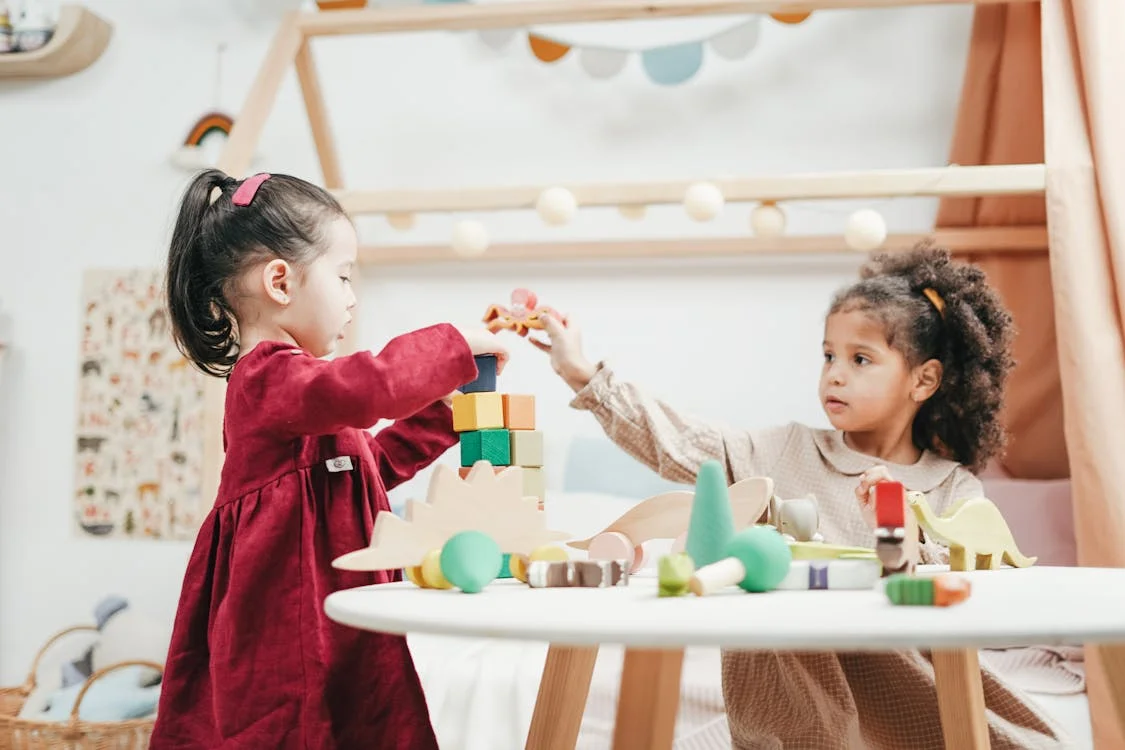
Photo: Pexels
💧 Water Activities
Water Sensory Bin
What you need: A plastic container or washing-up bowl, water, cups, spoons, funnels, sponges
How to set it up: 1. Fill with warm water — about 5cm deep. 2. Add pouring tools and floating objects. 3. Set on a waterproof mat, in the bath, or outside.
What they learn: Cause and effect, volume and measurement concepts, fine motor pouring and squeezing, calming sensory regulation
Best for: 12 months+
Bubble Bath Science
What you need: Water, different amounts of dish soap, a whisk or hand blender
How to set it up: 1. Pour water into a tray. 2. Add soap and whisk to create bubbles. 3. Let your toddler explore — pop them, scoop them, examine them. 4. Try different amounts of soap for more or fewer bubbles.
What they learn: Early science concepts, tactile exploration of foam texture, cause and effect
Best for: 12 months+
Coloured Water Play
What you need: Water, food colouring, clear glasses or bottles
How to set it up: 1. Fill three glasses with water. 2. Add primary colours — red, yellow, blue. 3. Give your toddler spoons or pipettes to mix and discover secondary colours. 4. Label each colour as they discover it.
What they learn: Colour theory, early science, language development through labelling, fine motor with pipettes
Best for: 18 months+
Car Wash Sensory Bin
What you need: Toy cars, a tray with soapy water, sponges, a small brush
How to set it up: 1. Fill a tray with soapy water. 2. Set out toy cars and cleaning tools. 3. Let your toddler wash, rinse, and dry their cars. 4. Add a second tray of clean water for rinsing.
What they learn: Role play, sequencing (wash-rinse-dry), fine motor scrubbing, integration of real-world tasks into play
Best for: 2 years+
🔊 Sound Activities
DIY Shaker Bottles
What you need: Plastic bottles with lids (securely taped), filled with rice, dried pasta, small beads, or buttons
How to set it up: 1. Fill each bottle with a different material. 2. Seal lids with strong tape or glue. 3. Let your toddler shake, compare, and sort by sound intensity.
What they learn: Sound differentiation, cause and effect, early music and rhythm concepts, sorting and categorisation
Best for: 12 months+
Kitchen Band
What you need: Pots, pans, lids, wooden spoons, plastic containers
How to set it up: 1. Spread out pots and pans on the kitchen floor. 2. Give your toddler a wooden spoon. 3. Let them bang freely — join in for rhythm repetition and call-and-response games.
What they learn: Rhythm, cause and effect, physical coordination, musical awareness
Best for: 12 months+
Sound Sensory Bin
What you need: A tray filled with crinkle paper, bubble wrap, dried beans, and smooth stones
How to set it up: 1. Fill a tray with materials that make very different sounds when touched. 2. Encourage your toddler to listen as they explore. 3. Name each sound together — loud, quiet, crinkle, pop.
What they learn: Auditory discrimination, vocabulary development, sensory awareness, early science categorisation
Best for: 12 months+
🧠 Sensory activities engage up to seven sensory systems — not just the five traditionally recognised — including the vestibular system (movement and balance) and proprioception (body awareness).
👁️ Visual Activities
Colour Mixing Tray
What you need: A muffin tray or ice cube tray, water, primary food colourings, pipettes or spoons
How to set it up: 1. Fill some sections with red, yellow, and blue coloured water. 2. Leave empty sections for mixing. 3. Give your toddler pipettes to transfer and combine colours.
What they learn: Colour theory, cause and effect, fine motor with pipettes, early science observation
Best for: 18 months+
Light Table Play
What you need: A torch placed under a clear plastic storage box, translucent materials — coloured cellophane, coloured water bottles, or transparent gems
How to set it up: 1. Place the torch under the clear box and turn it on. 2. Dim the room slightly. 3. Place translucent materials on top and let your toddler arrange, stack, and observe.
What they learn: Visual discrimination, colour exploration, cause and effect, creative expression
Best for: 12 months+
Sensory Calm Bottles
What you need: A clear plastic bottle, warm water, glitter glue, fine glitter, a drop of food colouring — sealed securely
How to set it up: 1. Fill bottle three-quarters with warm water. 2. Add glitter glue and glitter. 3. Seal lid with superglue. 4. Shake and watch together — these are also an excellent self-regulation tool for overwhelmed toddlers.
What they learn: Visual tracking, calming self-regulation, attention and focus, cause and effect
Best for: 12 months+
🏃 Movement Activities
Indoor Obstacle Course
What you need: Sofa cushions, pillows, a blanket tunnel, low stepping stools
How to set it up: 1. Arrange cushions as stepping stones, a blanket over chairs as a tunnel, and pillows to jump onto. 2. Demonstrate the course once. 3. Let your toddler repeat it as many times as they like — repeat is how they build the neural pathways.
What they learn: Vestibular and proprioceptive input, gross motor coordination, sequencing, body confidence
Best for: 12 months+
Animal Walk Path
What you need: Coloured tape, floor space
How to set it up: 1. Tape shapes on the floor — circles, squares, triangles, zigzags. 2. Name an animal for each shape — hop like a bunny to the circle, crawl like a bear to the square. 3. Take turns naming the next move.
What they learn: Proprioceptive and vestibular input, early shape and colour recognition, language development, imaginative play
Best for: 18 months+
Toddler Yoga
What you need: A yoga mat or soft floor space, no equipment needed
How to set it up: 1. Name poses after animals — tree pose is a flamingo, downward dog is a puppy. 2. Keep sessions under 10 minutes and follow your toddler's energy. 3. Include plenty of rolling, stretching, and balance work.
What they learn: Body awareness, balance, vestibular regulation, calming and focus — evidence suggests movement-based activities before quiet tasks significantly improve attention
Best for: 2 years+
👃 Smell and Taste Activities
Scented Playdough
What you need: Playdough base (as in Activity 2), vanilla extract, lavender essential oil, or peppermint extract
How to set it up: 1. Make playdough as normal. 2. Add 1 tsp of your chosen scent during the mixing stage. 3. Make two or three batches with different scents for a smell-and-match game.
What they learn: Olfactory sensory development, language for describing smells, fine motor manipulation — studies find that multi-sensory experiences create stronger neural connections
Best for: 18 months+
Edible Sensory Bin
What you need: A tray of cereal puffs, dried fruit, small rice crackers — things your baby or toddler can safely eat
How to set it up: 1. Fill a shallow tray with a mix of safe edible items. 2. Let your baby or young toddler explore freely — touching, tasting, and picking up. 3. Great for working on pincer grasp development.
What they learn: Safe sensory exploration, fine motor pincer grasp, texture and taste discrimination, independent play
Best for: 8 months+
🌿 Nature Sensory Activities
Nature Sensory Walk
What you need: Outdoor space, a bag or basket for collecting
How to set it up: 1. Go outside and collect natural items — leaves, sticks, smooth stones, pinecones, grass, petals. 2. Bring them home and sort them by texture, colour, or size. 3. Create a nature tray or glue them to paper for a texture collage.
What they learn: Natural world awareness, texture and visual discrimination, categorisation, language development through naming and describing
Best for: 12 months+
Mud Kitchen
What you need: An outdoor area, soil, water, old pots and spoons, muffin tins
How to set it up: 1. Set up old pots and containers outside. 2. Add soil and water nearby. 3. Let your toddler mix, pour, scoop, and make 'recipes'. A mud kitchen is the single most powerful sensory play setup available — and it costs nothing.
What they learn: Mud is a rich combination of tactile, olfactory, and proprioceptive sensory input. Evidence suggests outdoor sensory experiences have particularly strong benefits for nervous system regulation.
Best for: 18 months+
Barefoot Grass and Sand Play
What you need: Grass, sand, or gravel — outdoors
How to set it up: 1. Remove shoes and socks. 2. Walk together across different natural textures — grass, sand, smooth paving, gravel. 3. Talk about what each feels like under their feet. 4. Encourage jumping, stomping, and tiptoeing.
What they learn: Proprioceptive and tactile grounding, body awareness, foot and leg strength, calming through contact with natural textures — studies find barefoot outdoor time is one of the most effective nervous system regulation activities available
Best for: 12 months+
Key Takeaways — Sensory Play Ideas for Toddlers
- 1.Sensory play does not need to be expensive or complicated
- 2.Most setups take under 5 minutes using household items
- 3.Water, rice, pasta, and playdough are the most versatile bases
- 4.Let your toddler lead — there is no wrong way to do sensory play
- 5.Short sessions of 10 to 20 minutes are perfectly normal
- 6.Sensory play supports emotional regulation — not just learning
- 7.Age-appropriate modifications make every activity safe
Sensory Play by Age — What Works When
Sensory Play for 6–12 Month Olds
At this age, everything goes in the mouth — which means edible, food-safe materials are essential. Focus on high-contrast visual experiences (black-and-white patterns, shiny materials), safe sound exploration (shaker bottles, music), and gentle touch activities with your guidance. Edible sensory bins, water play in the bath, and supervised finger painting with edible paint are all excellent. Avoid small loose pieces and anything with texture sharp enough to scratch.
Avoid: uncooked rice loose (choking hazard), glitter, slime, small objects
Sensory Play for 1 Year Olds
One-year-olds are ready for the classic sensory bin — rice, water, or dried pasta with cups and spoons. Water play, cloud dough, and finger painting are all appropriate with close supervision. This age loves repetitive actions — pouring, dumping, filling — so setups that allow unlimited repetition work best. Keep setups simple: one material, a few tools, and your presence nearby.
Tips: Use a shower curtain or tarp under the bin for easy cleanup. Stay within arm's reach at all times.
Sensory Play for 2 Year Olds
Two-year-olds are ready for more complex exploration — introduce tools like scoops, funnels, and tongs to build fine motor skills. Role play begins to emerge, so setups like the car wash bin or mud kitchen resonate strongly. Playdough becomes especially rich at this age — they can start simple rolling and shaping. Research shows two-year-olds engage in significantly longer sensory play sessions when props support imaginative scenarios.
Ideas to try: Activities 2, 4, 8, 10, 11, 15, 18, 23, 24
Sensory Play for 3 Year Olds
Three-year-olds can follow simple instructions, participate in more complex recipes like slime and cloud dough, and begin to engage in social sensory play alongside a sibling or friend. Creative extensions really take off at this age — they can make detailed playdough sculptures, build complex sensory bin scenes, and begin to articulate what they feel and observe. Cognitive extension of sensory activities with our cognitive development activities guide pairs well with hands-on sensory at this stage.
Ideas to try: Activities 3, 6, 7, 16, 17, 20, 21, 25
🌱 In 2026, sensory play is increasingly recognised as emotional support through play — helping toddlers self-regulate, process emotions, and feel grounded in their bodies — not just a learning activity.
How to Set Up a Sensory Play Space at Home — Even in a Small Space
You do not need a dedicated playroom or a perfect setup to do sensory play well. Here is how to make it work in any home.
The tuff tray method
A low plastic tray on the kitchen floor is the single best investment for sensory play. It contains mess, signals to your toddler that it is activity time, and can be moved outdoors easily.
Outside on a mat
A waterproof mat outside removes nearly all cleanup anxiety. Water play, mud kitchens, and rice bins are all more enjoyable for everyone when outdoor cleanup is just a hose away.
Bath time sensory
The bath is a sensory play setup you already own. Add food colouring, foam soap, cups and funnels, or a tray of ice cubes to transform bath time into a 20-minute sensory session.
Clean-up tips
Lay a shower curtain or tarp under indoor setups. Keep a dustpan nearby for rice and pasta. Change toddler into a bib or old clothes first. The cleanup is almost always faster than it looks mid-session.
Storage solutions
Store sensory materials in sealed containers — rice in a jar, playdough in a ziplock bag in the fridge, kinetic sand in an airtight tub. Rotate bins weekly to keep activities feeling fresh.
The rotation principle
Three to five bins in rotation is plenty. Evidence suggests that familiar setups with a small novel element (a new tool, a new colour, a new theme) engage toddlers more deeply than entirely new setups every time.
Sensory Play for Toddlers Who Hate Mess — What to Do
Sensory sensitivity is real — and a toddler who refuses to touch playdough or pulls their hands away from water is not being difficult. They are experiencing genuine sensory discomfort that deserves a thoughtful, patient response.
Start with dry sensory play
Begin with the least threatening textures — dry rice, smooth stones, crinkle paper. Reserve wet, sticky, or messy materials for later once trust is established.
Observation counts as participation
A toddler sitting nearby watching you play is engaging with the sensory experience. Never insist on physical participation. Watching is a valid first step.
Use tools as a bridge
If direct touch feels too much, offer a spoon, a scoop, or tongs. Using tools still provides sensory input and often becomes the bridge to eventual hand contact.
Never force sensory participation
Forced sensory interaction can worsen sensitivity and create anxiety around future play. All participation must be voluntary. Always follow your toddler's lead.
When to see an occupational therapist
If your toddler shows extreme distress (not just reluctance) in response to everyday textures — clothing, food, being touched — an occupational therapist who specialises in sensory processing can offer specific support. This is a completely normal referral and nothing to be anxious about.
You are not doing sensory play wrong if your toddler needs a gentle approach. Respecting their nervous system while consistently offering low-pressure experiences is exactly the right approach. Child development experts agree that patience and repetition — not pressure — produce the best outcomes for sensory-sensitive children.
Sensory Play for Working Moms — The 5-Minute Setup Guide
Sensory play on a weeknight after work looks different from a leisurely weekend setup — and it should. Here is how to make it genuinely quick and genuinely worth it.
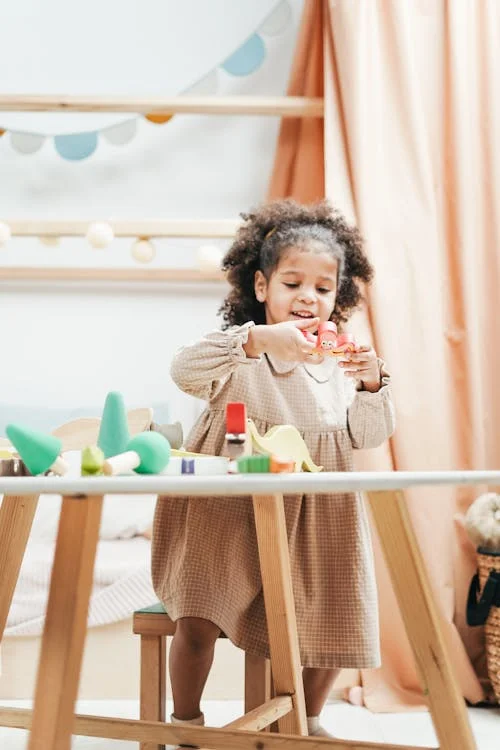
Photo: Pexels
The 5-minute weeknight win
Keep a sensory bin already filled with rice in a sealed container. When you get home from work, pull it out, put it on the floor, and add one new tool. That is it. 30 seconds of setup, 30 minutes of independent play.
Sensory play while you cook dinner
Set up a water bin at the kitchen sink or a playdough tray on the kitchen table while you cook. Toddler is nearby, safe, and occupied — you get dinner made without the pulling and whining.
Weekend deeper dives
Save the mud kitchen, cloud dough, and slime for weekends when you have more energy and more time for the cleanup. Reserve your five-minute weeknight hits for the busy days.
Screen-free wind-down
Replace the last 30 minutes of screen time before dinner with a sensory bin. Evidence suggests the transition from screens to sleep is significantly smoother when sensory play precedes it rather than more screen time. Our toddler screen time guide covers this in detail.
Build sensory into routine
When sensory play happens at the same time each day — the 5pm slot before dinner — toddlers start anticipating it and settle into it faster. Routine removes the negotiation and the resistance.
The gift of enough
You do not need to entertain your toddler constantly. Ten minutes of genuinely engaged sensory play — where you are present but not performing — is worth more than an hour of half-hearted involvement. Quality and consistency over duration.
Frequently Asked Questions
What is the best sensory play for a 1 year old?
The best sensory play ideas for a 1 year old are safe, simple, and explorable with hands and mouth. Water bins with cups and spoons, edible finger painting, rice bins with scoops, and playdough (from 18 months) are all excellent starting points. Keep activities supervised and avoid small pieces — focus on textures a one-year-old can safely explore at their own pace.
Is sensory play safe for toddlers?
Yes — when age-appropriate materials are used and activities are supervised, sensory play is completely safe for toddlers. Always check for choking hazards with younger toddlers, use food-safe colouring in water and paint, and choose edible sensory materials for babies under 18 months. Most household sensory materials — rice, pasta, water, playdough — are safe with appropriate supervision.
How long should sensory play last for toddlers?
There is no fixed minimum or maximum — follow your toddler's lead. Most toddlers engage meaningfully with sensory play for between 10 and 45 minutes. Short sessions of 10 to 20 minutes are completely normal and still developmentally valuable. Research shows even brief daily sensory experiences build neural pathways over time. Stop when your toddler signals they are done rather than extending sessions artificially.
What household items can I use for sensory play?
Your kitchen and bathroom already contain most of what you need for excellent sensory play. Rice, dried pasta, dried beans, flour, cornstarch, water, food colouring, and cooking oil are the most versatile sensory bases. Pots, bowls, spoons, measuring cups, muffin trays, and ice cube trays make ideal tools. Most effective sensory setups cost nothing beyond what you already have at home.
Can sensory play help with toddler tantrums?
Evidence suggests that sensory play — particularly water, playdough, and kinetic materials — has a genuinely calming effect on the nervous system and can reduce the frequency and intensity of toddler meltdowns when offered proactively. Sensory play gives toddlers a physical outlet for big emotions and helps them self-regulate. Many parents find that a five-minute water bin before a difficult transition (like dinner or bedtime) makes the whole experience smoother.
How often should toddlers do sensory play?
Child development experts agree that daily sensory experiences — even small ones — are beneficial for toddlers between 1 and 4 years old. This does not mean elaborate setups every day. A quick rice bin, five minutes of water play during bath time, or a handful of playdough counts. Aim for some form of sensory-rich experience every day, with more elaborate setups two or three times a week when time allows.