
15 Toddler Meal Ideas for 2 Year Olds
Feeding a two-year-old can feel like a moving target. One day they eat everything on the plate with enthusiasm; the next, the same meal is pushed away with great conviction. This is developmentally normal — but it can make meal planning for two year olds feel genuinely challenging.
This guide covers the nutritional needs of two-year-olds, 15 simple and nourishing meal ideas for 2 year olds, and practical tips for keeping portions appropriate and mealtimes calm. All meals are designed for self-feeding, minimally processed, and easy to prepare on busy weekdays.
Nutritional Needs of 2 Year Olds
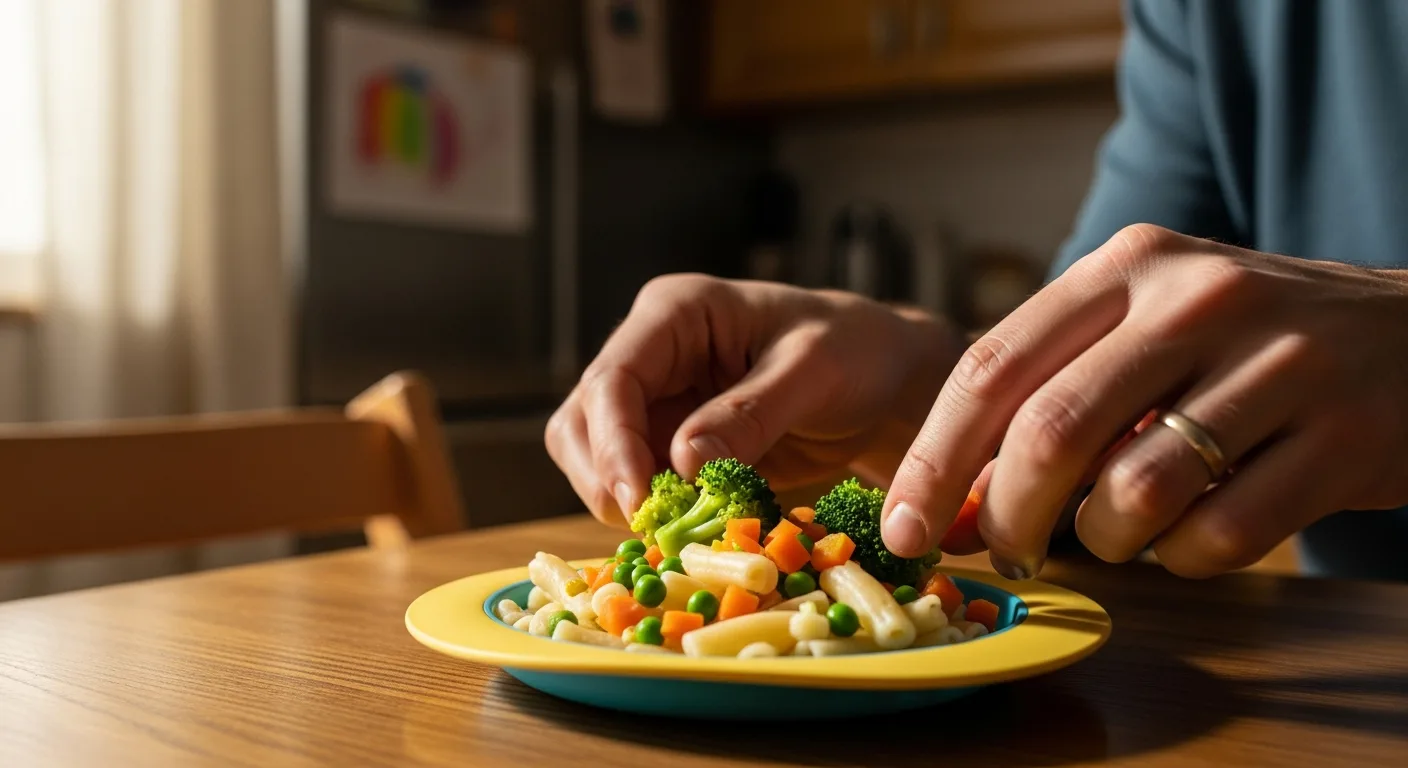
Two-year-olds are active, growing rapidly, and developing their fine motor skills for self-feeding — all of which place meaningful nutritional demands on small bodies. The key nutrients to prioritise at this age are iron (for cognitive development and energy), calcium (for bone growth), omega-3 fatty acids (for brain development), zinc, and adequate fibre.
Iron
Found in lean meat, lentils, beans, fortified cereals, and dark leafy greens. Pair with vitamin C foods to improve absorption.
Calcium
Dairy (milk, yogurt, cheese), fortified plant milks, broccoli, and fortified cereals all contribute to the 700mg daily target for this age group.
Omega-3
Oily fish twice a week (salmon, mackerel, sardines), walnuts, chia seeds, and flaxseed all provide brain-supporting fatty acids.
Wholegrains
Switching white bread and pasta for wholegrain versions increases fibre and B vitamins without changing the meals your toddler already likes.
Two-year-olds need approximately 1,000–1,400 calories per day, spread across three meals and one to two snacks. Portions are small — roughly a quarter to a third of an adult portion — and appetite varies significantly day to day. Trust your child's hunger cues rather than expecting a consistent amount to be eaten at every meal.
15 Meal Ideas for 2 Year Olds
Mini oat pancakes with banana
Blend oats, egg, and mashed banana into a simple batter and cook small palm-sized pancakes. Serve with a few extra banana slices. These protein and fibre-rich pancakes are easy to self-feed, naturally sweet, and freeze beautifully for weekday mornings.
Soft pasta shells with hidden veg tomato sauce
Blend a sauce of tomatoes, carrot, courgette, and red lentils until smooth, then toss with soft-cooked pasta shells. The smooth sauce hides significant nutritional content without any visible evidence of vegetables, making it reliable for even reluctant eaters.
Cream cheese and cucumber on soft bread triangles
Spread cream cheese onto soft white or wholemeal bread, top with thin cucumber rounds, and cut into small triangles. Simple, no-cook, and easy to self-feed. Add a few blueberries and a small cube of cheese for a complete lunch plate.
Greek yogurt with mashed mango and flaxseed
Stir mashed ripe mango through full-fat Greek yogurt and sprinkle with a small amount of ground flaxseed. This calcium-rich, probiotic, and omega-3-containing meal works as breakfast, dessert, or snack and takes sixty seconds to prepare.
Soft scrambled eggs with cheddar on toast fingers
Gently scramble two eggs with a splash of milk until just set, stir through grated cheddar, and serve on buttered wholegrain toast cut into finger-sized strips. A protein and fat-rich breakfast that takes under five minutes from start to plate.
Lentil soup with soft sourdough for dipping
A gentle red lentil soup with carrot, cumin, and mild spicing served with a small piece of soft sourdough or crusty bread for tearing and dipping. Red lentils melt into a smooth, naturally thick consistency that toddlers can manage easily.
Mini meatballs with soft cooked couscous
Roll small beef or turkey meatballs seasoned with herbs and mild spices, bake until cooked through, and serve with fluffy couscous and a mild tomato dipping sauce. The soft, grainy couscous and bite-sized meatballs are ideal for small hands practicing self-feeding.
Avocado and cream cheese rice cakes
Spread a rice cake with cream cheese and mashed avocado, season lightly, and serve alongside soft fruit. A healthy fat-rich, no-cook option for days when preparation time is minimal. Stack two for a satisfying snack or light lunch component.
Baked salmon with mashed sweet potato
Bake a small salmon fillet until just cooked, flake to check for bones, and serve alongside mashed sweet potato with a little butter. Salmon provides omega-3 and protein; sweet potato offers beta-carotene and natural sweetness that two-year-olds reliably enjoy.
Soft bean quesadilla triangles with sour cream
Spread refried beans and mild grated cheese across a small tortilla, fold, and cook briefly in a dry pan until golden. Cut into small triangles and serve with sour cream for dipping. A fibre and protein-rich meal that most two-year-olds find highly appealing.
Warm porridge with stewed apple and cinnamon
Cook whole rolled oats with milk to a soft consistency and top with gently stewed apple (diced, softened in a little water with a pinch of cinnamon). This warming breakfast provides sustained energy, fibre, and the natural sweetness of cooked fruit without added sugar.
Mini wholegrain pasta with pesto and broccoli
Cook small wholegrain pasta shapes until tender and toss with a mild homemade or quality shop-bought basil pesto and steamed broccoli cut into very small florets. A five-minute meal with good fat, fibre, and iron from the broccoli.
Soft-boiled egg with toast soldiers
A perfectly soft-boiled egg with runny yolk cut open and served with buttered wholegrain toast cut into narrow strips for dipping. One of the most nutritionally complete toddler breakfasts available — protein, fat, iron, and choline all in one small egg.
Banana and peanut butter wholemeal wrap
Spread a small wholemeal wrap with natural peanut butter (no added salt or sugar), lay a sliced banana across it, and roll up firmly before cutting into small rounds. A filling, protein and potassium-rich lunch or snack that most two-year-olds love.
Chicken and sweet potato patties with peas
Blend cooked chicken with mashed sweet potato, a little plain flour, and mild herbs. Shape into small patties and pan-fry until golden. Serve with warmed peas. These protein and iron-rich patties are easy to hold, simple to chew, and work well in lunchboxes too.
Portion Tips for Toddlers
- ✋
Use the palm rule
A rough portion guide: protein the size of your toddler's palm, starchy carbs roughly the same, and unlimited vegetables. Total meal volume is typically a quarter to a third of an adult serving.
- 📏
Serve small, offer more
Starting with a small portion reduces the visual overwhelm that can trigger refusal. If they eat it and want more, offer more. This approach reduces food waste and respects appetite variation.
- 📆
Expect day-to-day variation
A two-year-old who eats almost nothing one day is very likely compensating the next. Look at intake across the week rather than across individual meals.
- 🎯
Avoid using food as a reward
Offering pudding as a reward for eating vegetables sends the message that vegetables are unpleasant and pudding is the prize — reinforcing the hierarchy you are trying to avoid.
For healthy snack ideas to pair with these meals, our Healthy Snacks for Little Ones guide covers quick, nutritious between-meal options. And if you want a full week of meals planned out, our 7 Day Toddler Meal Plan takes the decision-making out of the week entirely.
Need more toddler meal ideas?
Use our Toddler Meal Generator to instantly get breakfast, snack, and dinner ideas for your toddler.
Try the Toddler Meal GeneratorLooking for easy recipes?
Download our 30 Easy Toddler Recipes PDF designed for busy parents.
Get the 30 Easy Toddler Recipes PDFFinal Thoughts
Feeding a two-year-old is less about nutritional precision and more about consistent exposure to a wide variety of whole foods, served in a calm, low-pressure environment. The meals in this guide are simple, nourishing, and flexible — and most take under twenty minutes to prepare. Focus on variety over the week, keep mealtimes relaxed, and trust your toddler's appetite to guide the rest.