
Healthy Finger Foods for Toddlers
There is something wonderful about watching a toddler discover that they can feed themselves. The concentration on their face, the determination in their tiny hands, the genuine delight when a piece of banana actually makes it to their mouth — it is one of those everyday parenting moments that is quietly magical. Toddler finger foods are not just a convenient way to feed your little one; they are an important part of how toddlers develop independence, build confidence, and learn to engage with food on their own terms.
Whether you are just starting to introduce easy finger foods for toddlers or you are deep in the self-feeding phase and looking for fresh ideas, this guide has everything you need. We have gathered 25 healthy finger foods for toddlers that are safe, nutritious, and genuinely likely to be picked up and eaten — plus tips on preparation, serving, and what to do if your toddler is a reluctant finger food explorer.
Why Finger Foods Are Important for Toddlers
Toddler self-feeding foods play a much bigger role in development than simply getting food into little mouths. Every time a toddler picks up a piece of food, examines it, brings it to their mouth, and manages to eat it, they are building a whole set of skills that matter far beyond the dinner table.
Supports motor skill development
The pincer grip required to pick up small pieces of food is one of the most important fine motor milestones toddlers work on. Finger foods provide daily, low-stakes practice that builds dexterity naturally.
Encourages independent eating
Being able to feed themselves gives toddlers a sense of agency and control at mealtimes. This independence often reduces mealtime battles and builds a healthier relationship with food over time.
Helps explore textures
Toddlers learn through touch as much as taste. Finger foods let them squeeze, squish, drop, and poke food before eating it — all essential steps in becoming comfortable with new flavours and textures.
Makes mealtime more engaging
A plate of interesting, colourful finger foods is far more inviting to a toddler than a bowl of puree. Engagement leads to more willingness to try, which gradually expands the range of foods toddlers accept.
25 Healthy Finger Foods for Toddlers
Every finger food idea for toddlers below is chosen for safety, nutrition, and real-world likelihood of being accepted. Most require minimal preparation, and all can be adapted based on your toddler's age, chewing ability, and current food preferences.
1. Banana Slices
Soft, naturally sweet, and easy for little hands to grip, banana slices are one of the most reliable toddler finger foods around. They require no cooking, no chopping skills, and are almost universally accepted even by picky eaters.
Prep tip: Slice into thick coins or lengthwise strips for easier grasping. For extra mess reduction, leave a small section of peel attached as a handle.
2. Avocado Cubes
Creamy, soft, and packed with healthy fats, avocado cubes are brilliant for toddler self-feeding. They are gentle on new teeth and dissolve easily, making them a very low-risk finger food.
Prep tip: Cut into small cubes and serve immediately to prevent browning. A small squeeze of lemon juice helps keep them fresh for longer.
3. Scrambled Egg Pieces
Soft scrambled eggs pulled into bite-sized pieces are one of the most nutritious and toddler-friendly finger foods available. Cook them low and slow for the softest, most graspable texture.
Prep tip: Cook until just set — slightly underdone is softer and safer than dry, rubbery eggs. Cool briefly before serving.
4. Soft Steamed Carrots
Steam or boil carrot sticks until they can be easily squashed between two fingers and they become a perfectly safe, naturally sweet finger food toddlers enjoy picking up and exploring.
Prep tip: Cut into finger-length sticks or coin shapes and steam for 8–10 minutes until completely soft. Raw carrots are a choking risk for toddlers.
5. Cucumber Sticks
Cool, crunchy, and hydrating, cucumber sticks are a low-mess, refreshing finger food that many toddlers enjoy gnawing on — especially during warm weather or teething phases.
Prep tip: Peel and remove seeds for younger toddlers, and cut into manageable lengths that are easy to hold without being a choking hazard.
6. Cheese Cubes
Mild cheddar, mozzarella, or Edam cut into small cubes are a protein-rich finger food toddlers tend to love. Cheese is also one of the safest textures for self-feeding — it is soft, not crumbly, and easy to chew.
Prep tip: Keep cubes small — roughly the size of your toddler's thumbnail. Full-fat cheese is ideal for toddlers who need calorie density.
7. Mini Pancakes
Small pancakes made from banana and egg — or a simple buttermilk batter — are a fantastically versatile finger food. They can be made in batches and frozen for quick weekday breakfasts.
Prep tip: Make them coin-sized for easy gripping. Banana and egg pancakes (one mashed banana, one egg) need no flour and are naturally sweet enough for toddlers.
8. Soft Pasta Pieces
Well-cooked pasta in toddler-friendly shapes — small shells, ditalini, or halved penne — is a versatile finger food that pairs well with mild sauces, butter, or plain olive oil.
Prep tip: Cook pasta until very soft, beyond al dente. Toss in a little olive oil or butter to prevent sticking and make it easier for little hands to pick up.
9. Toast Fingers
Wholegrain toast cut into thin strips is a classic toddler finger food that works beautifully with spreads like butter, mashed avocado, cream cheese, or hummus. Toast is satisfying, easy to hold, and very adaptable.
Prep tip: Slightly underdone toast is softer and easier for toddlers to bite through. Cut into strips narrow enough to fit comfortably in small hands.
10. Roasted Sweet Potato
Roasted sweet potato cubes or wedges become beautifully soft and naturally sweet when baked, making them a winning finger food with very little preparation required.
Prep tip: Roast at 200°C until completely soft — about 20–25 minutes. Allow to cool fully before serving as the inside retains heat longer than the outside.
11. Mini Veggie Fritters
Small fritters made with grated courgette, carrot, or sweetcorn mixed with egg and a little flour are an excellent way to pack vegetables into a form toddlers genuinely enjoy picking up and eating.
Prep tip: Make small flat patties and pan-fry in a little olive oil until golden on both sides. They freeze well, making batch cooking very worthwhile.
12. Blueberries
Fresh blueberries are one of the most toddler-friendly fruits available — just the right size, soft, and sweet enough to be enthusiastically accepted. For toddlers under 12 months or those with a strong gag reflex, halve them first.
Prep tip: Always serve at room temperature rather than straight from the fridge. Cold blueberries can be more likely to slip and roll, increasing mess and risk.
13. Yoghurt Drops
Frozen dots of full-fat plain yoghurt piped or spooned onto a baking tray and frozen are a surprisingly popular finger food — especially for teething toddlers who enjoy the cooling sensation.
Prep tip: Use a piping bag or a spoon to make small blobs on a lined tray, then freeze for 2–3 hours. Store in a bag in the freezer and serve straight from frozen.
14. Mini Quesadilla Pieces
A flour tortilla filled with mild melted cheese and cut into small squares or triangles makes an easy, satisfying finger food that most toddlers happily eat. You can add mashed beans or avocado for extra nutrition.
Prep tip: Cut into very small squares rather than large triangles to avoid the point becoming a choking risk. Let cool for a minute before serving.
15. Soft Chicken Pieces
Shredded or diced soft poached or baked chicken breast is one of the best sources of protein available as a toddler finger food. The key is cooking it until completely tender rather than dry.
Prep tip: Poaching chicken in a little stock or water keeps it much softer than roasting. Shred into very small pieces that are easy to pick up and chew.
16. Mini Meatballs
Small meatballs made with minced chicken, turkey, or beef and baked or pan-fried until cooked through are a protein-packed finger food that toddlers tend to find very satisfying.
Prep tip: Make them no larger than the size of a marble for toddler safety. They freeze well raw or cooked, making them ideal for batch preparation.
17. Thin Apple Slices
Raw apple can be a choking risk for young toddlers, but very thin slices or softened apple cooked briefly in a little water become a perfectly safe and naturally sweet finger food.
Prep tip: For younger toddlers or those still developing chewing skills, steam or microwave thin slices briefly until just softened. Remove the skin which can be harder to chew.
18. Rice Balls
Small balls made from sushi rice or any cooked sticky rice are wonderfully easy for toddlers to pick up and hold. You can roll them plain or mix in a little mashed salmon, avocado, or cream cheese.
Prep tip: Dampen your hands before rolling to prevent sticking. Keep them small — about the size of a large marble — so they are manageable for little hands.
19. Mini Muffins
Small savoury or lightly sweetened muffins packed with grated vegetables, cheese, or mashed banana are a brilliant batch-cook finger food. Made in a mini muffin tin they come out exactly the right size for toddlers.
Prep tip: Courgette and cheese muffins, carrot and apple, or banana and oat are all popular with toddlers. Make a big batch and freeze individually for quick meals.
20. Steamed Broccoli Florets
Small steamed broccoli florets with their natural stalk handle are surprisingly toddler-friendly — the floret top is soft to bite while the stalk gives little hands something to grip. Many toddlers who refuse other vegetables accept broccoli in this form.
Prep tip: Steam until just soft enough to squash easily between two fingers — about 4–5 minutes. Slightly overcooked is safer for toddlers than firm or crunchy florets.
21. Soft Pear Slices
Ripe pear sliced thinly is naturally soft, juicy, and sweet — a wonderfully easy finger food that requires no cooking and is almost always well received. Choose very ripe pears for the softest, safest texture.
Prep tip: Peel for younger toddlers as the skin can be tough to chew. Serve immediately after slicing as pear browns quickly — a drop of lemon juice helps.
22. Cottage Cheese Spoon Bites
Small spoonfuls of full-fat cottage cheese served in a little dish or on toast fingers give toddlers a chance to practise self-feeding with different textures. Most toddlers enjoy the mild, slightly salty flavour.
Prep tip: Full-fat is the best choice for toddlers. You can stir in a little mashed fruit for a slightly sweeter version if your toddler is resistant at first.
23. Mini Omelette Pieces
A thin omelette cut into small squares is one of the most versatile finger foods in the repertoire. You can fold in any soft vegetables, cheese, or herbs to vary the flavour and nutritional content endlessly.
Prep tip: Make thin and cook gently over low heat so the egg stays soft rather than rubbery. Cut into squares small enough to pick up easily but large enough to hold.
24. Hummus with Veggie Sticks
A small pot of mild hummus served with soft steamed carrot sticks, cucumber fingers, or toast strips gives toddlers a dipping experience that many find thrilling — and dipping is a fantastic fine motor skill to encourage.
Prep tip: Make or buy mild plain hummus without excessive garlic or lemon for toddlers. The dipping action is part of the fun and learning — embrace the mess.
25. Mini Grilled Cheese Squares
A small grilled cheese sandwich cut into squares is a reliable, much-loved toddler finger food. The melted cheese becomes soft and easy to chew, and the lightly toasted bread provides a satisfying texture contrast.
Prep tip: Use wholegrain bread where possible and cut into very small squares once cooled slightly. The cheese inside stays hotter than the outside, so always check temperature before serving.
Need more toddler meal ideas?
Get our printable guide with 30 Easy Toddler Recipes designed for busy parents.
Get the 30 Easy Toddler Recipes PDFSafety Tips for Serving Finger Foods
Soft finger foods for toddlers are generally very safe, but a few simple practices make mealtimes safer and more confident for both parent and child.
- ✂️
Cut food into safe pieces
As a general guide, no piece of food served to a toddler should be larger than approximately 1–1.5 cm. Round foods like grapes, cherry tomatoes, and blueberries should be halved or quartered to eliminate the risk of them becoming lodged in the throat.
- 🚫
Avoid known choking hazards
Whole grapes, whole nuts, hard raw vegetables, hard pieces of apple, large chunks of meat, and popcorn are all common toddler choking risks and should either be avoided entirely or prepared carefully before serving.
- 👁️
Always supervise mealtimes
Never leave a toddler unattended while eating, regardless of how safe the foods appear. Sit nearby, maintain a calm mealtime environment, and be familiar with what to do in a choking situation.
Finger Foods for Picky Toddlers
If your toddler is going through a selective eating phase, finger foods for picky toddlers can actually be a useful tool rather than a source of stress. Giving toddlers full control over picking up and exploring food themselves tends to reduce mealtime anxiety and increase the likelihood that they will at least try something new.
Start with accepted favourites
Begin every meal with at least one food you know your toddler reliably eats. The familiar food provides comfort and makes them more likely to explore what else is on the plate.
Offer new foods without pressure
Place a new finger food on the tray alongside familiar ones and do not comment on it, encourage it, or react if it is ignored. Repeated low-pressure exposure over days or weeks is what eventually builds acceptance.
Let them play with their food
Squishing, licking, sniffing, and throwing food are all part of how toddlers explore and process new items. Resist the urge to stop this — it is developmentally appropriate and often precedes eating.
Vary presentation rather than always adding new foods
The same food cut differently, served at a different temperature, or presented in a different spot on the plate can be enough of a change to re-engage a toddler who has grown bored of their usuals.
For more ideas on feeding a selective toddler, the healthy snacks for little ones guide and the 7 day toddler meal plan both have practical, pressure-free approaches that work well alongside a finger food routine.
Building a Balanced Finger Food Plate
One of the biggest advantages of finger foods over spoon-fed meals is how easily they lend themselves to a naturally balanced plate. A good toddler finger food plate does not need to be complicated — it simply needs to cover the main food groups in a way that is safe, colourful, and genuinely likely to be eaten.
A simple formula that works well for most toddlers is the four-section plate: one section for protein, one for carbohydrate, one for fruit or vegetables, and one for dairy or healthy fats. At any given meal, you do not need all four — two or three sections is a relaxed, realistic target.
Protein
Chicken strips, mini meatballs, scrambled egg, cheese cubes, hummus
Carbohydrate
Toast fingers, soft pasta, rice balls, mini pancakes, sweet potato
Fruit or vegetable
Blueberries, pear slices, steamed broccoli, carrot sticks, avocado
Dairy or healthy fat
Cheese cubes, full-fat yoghurt drops, avocado cubes, cottage cheese
You do not need to offer a large quantity of each — one or two pieces from each category is enough. Toddler portion sizes are much smaller than parents often expect, and offering smaller amounts reduces food waste and removes the pressure of a large, overwhelming plate. For more guidance on building complete toddler meals, our 7 Day Toddler Meal Plan and Easy Toddler Breakfast Ideas show how this works across a full week of eating.
Frequently Asked Questions
When should toddlers start eating finger foods?
Most babies are ready for finger foods from around 8–9 months, once they can sit upright independently and bring objects to their mouth. By 12 months — the start of the toddler period — finger foods should make up the majority of meals. If your toddler is still primarily spoon-fed at 14–15 months, introducing more finger foods at mealtimes is a gentle, positive step towards building independence and self-feeding confidence.
What are the safest finger foods for a 12-month-old?
At 12 months, the safest finger foods are very soft, mashable with gum pressure, and cut into small pieces no larger than approximately 1 cm. Great choices include banana slices, soft steamed carrot sticks, avocado cubes, scrambled egg pieces, well-cooked soft pasta, and small cubes of mild cheese. Avoid whole grapes, raw hard vegetables, whole nuts, hard apple chunks, and popcorn at this age.
My toddler keeps throwing finger foods on the floor. What should I do?
Food throwing is very common in toddlers aged 12–24 months and is usually a sign of one of three things: they are full and done with the meal, they are exploring what happens (physics experiment), or they are seeking a reaction. The most effective response is calm and consistent: say 'food stays on the table' once, then end the meal if throwing continues. Avoid giving big reactions, as this often increases the behaviour. A floor mat under the high chair makes clean-up much easier.
How many different finger foods should I offer at one meal?
Two to four different items per meal is ideal for most toddlers. Too few can lead to a meal ending prematurely if they dislike what is on offer; too many can be overwhelming and lead to less eating overall. Always include at least one food you know your toddler reliably accepts, alongside one or two other options. This gives them security alongside the opportunity to explore.
Can finger foods help introduce new foods to a picky eater?
Yes — finger foods are one of the best tools for expanding a picky eater's range. Self-selection gives toddlers a sense of control over what goes in their mouth, which reduces anxiety around new foods. Place a small amount of a new food alongside familiar favourites without pressure or comment. It may be ignored many times before it is touched, then touched before it is tasted, then tasted before it is reliably eaten. This process is completely normal and typically takes 10–20 exposures.
More Toddler Food Ideas
Final Thoughts
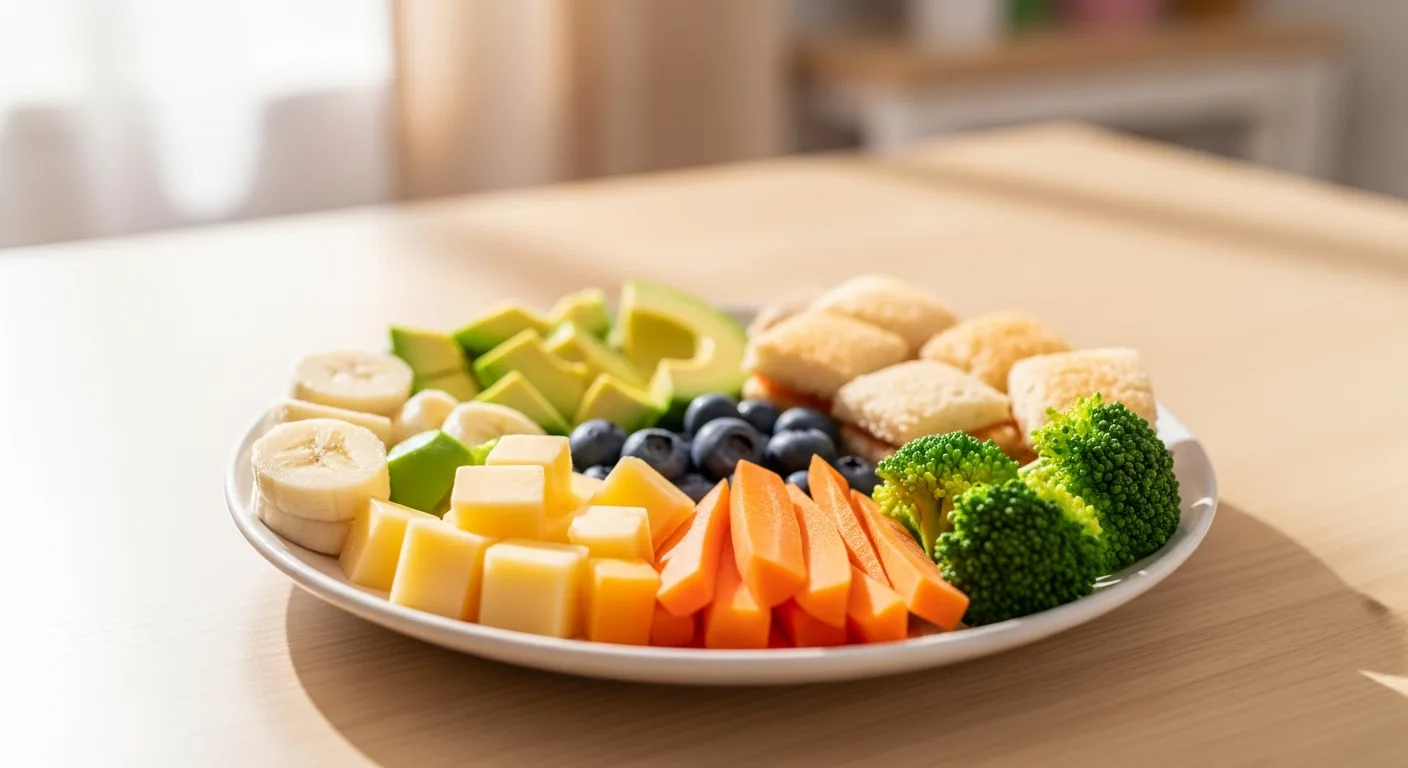
Healthy toddler finger foods do not need to be elaborate or time-consuming to be brilliant. A plate of banana slices, cheese cubes, and a few steamed carrot sticks is a genuinely excellent toddler meal — nutritious, safe, and set up perfectly for independent eating. Some of the best finger food meals come together in under two minutes.
The goal at this stage is not perfection — it is participation. Every time your toddler picks up a new food, examines it, and decides whether to try it, they are building a relationship with eating that will serve them for life. Some days they will eat enthusiastically. Other days they will mostly throw things on the floor. Both are completely normal, and both are part of the process.
Keep mealtimes calm, keep the plates colourful and interesting, and trust that you are doing a wonderful job. The Toddler Meal Generator is always there on the days when inspiration runs dry. You have got this.