
15 Toddler Meal Ideas for 3 Year Olds
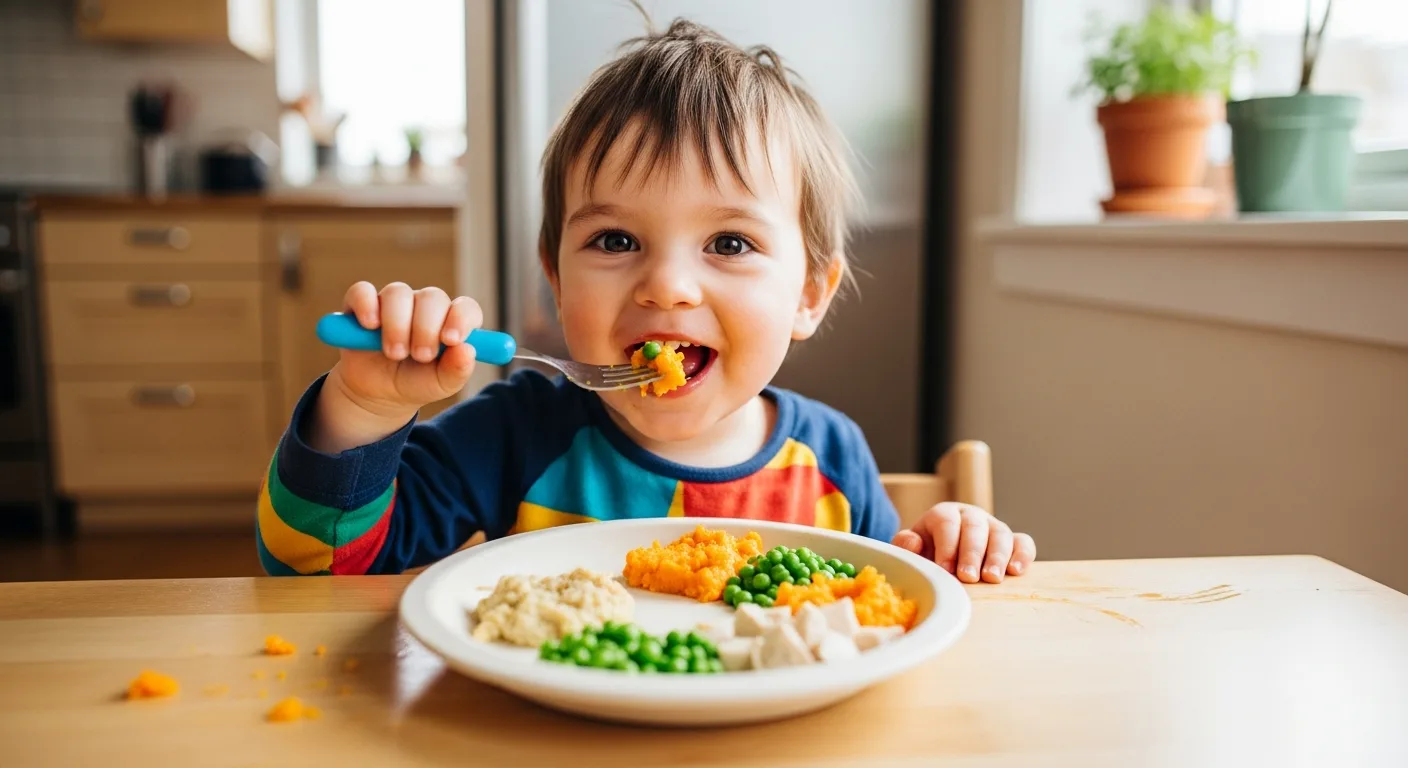
Three is a fascinating age for food. Toddlers at this stage have clearer food preferences, stronger opinions about what they will and will not eat, and — often — a phase of increased pickiness that catches parents off guard. At the same time, three-year-olds are capable of eating a remarkably wide variety of foods when introduced thoughtfully and served without pressure.
This guide covers how appetite typically changes at age three, 15 nutritious and varied meal ideas for 3 year olds, and practical tips for navigating picky eating with patience rather than battles.
How Appetite Changes at Age 3
Between ages two and four, growth rate slows compared to the first two years, and appetite often decreases proportionally. This is entirely normal — but it can alarm parents who remember their toddler eating more enthusiastically at eighteen months. Three-year-olds also have a stronger sense of autonomy, which frequently expresses itself at the dinner table as food refusal, new rejections of previously accepted foods, and very particular preferences about presentation, texture, and what touches what on the plate.
Understanding this developmental context makes mealtimes significantly less stressful. The goal at this age is not to ensure every nutrient is covered at every meal, but to maintain a relaxed, positive relationship with food and to keep the range of accepted foods as broad as possible through consistent, low-pressure exposure.
15 Meal Ideas for 3 Year Olds
Mini homemade pizzas on English muffins
Split English muffins, spread with mild tomato paste, top with grated mozzarella and any vegetables your child will accept, and grill until bubbling. Three-year-olds respond well to meals they can customise — offering choice at the toppings stage often increases engagement and acceptance.
Chicken and vegetable fried rice
Stir-fry day-old cooked rice with diced cooked chicken, frozen peas and sweetcorn, a beaten egg, and a small amount of low-salt soy sauce. Quick, filling, and highly adaptable — swap the chicken for egg only for a vegetarian version, or add any accepted vegetables.
Tomato and lentil pasta bake
Combine cooked pasta with a sauce of chopped tomatoes, red lentils, a little carrot, onion, and mild herbs. Bake in an oven dish with a grated cheese topping until golden. The baked format changes the texture in a way that some children who reject pasta in sauce find more appealing.
Mini beef and vegetable skewers with rice
Thread small cubes of marinated beef with courgette and pepper onto short skewers and cook under the grill or in a pan. Serve with plain boiled rice. The novelty of food on a stick has genuine appeal for three-year-olds, and the visual separation of protein and rice suits children who dislike mixed meals.
Cheese and spinach quesadilla
Spread a small tortilla with cream cheese, add a handful of baby spinach, top with grated cheddar, fold, and cook in a dry pan until golden on both sides. Cut into triangles. The spinach wilts invisibly into the melted cheese, and the crispy, melty quesadilla format is reliably popular.
Tuna and sweetcorn jacket potato
Bake a medium potato until the flesh is fluffy, split, and fill with a mixture of tinned tuna, sweetcorn, and a little mayonnaise or cream cheese. A complete, balanced meal requiring virtually no preparation beyond baking time.
Chicken soup with alphabet pasta
Simmer a simple broth with chicken, carrot, celery, and onion, add a small handful of alphabet pasta shapes, and serve warm. The novelty of alphabet pasta in soup can transform a meal that might otherwise be refused into one that generates genuine excitement.
Sweet potato and black bean soft tacos
Roast diced sweet potato with mild spices, mix with rinsed black beans, and spoon into small soft tortillas. Top with a little grated cheese and mild sour cream. The sweetness of the sweet potato and the warmth of the spices make this a flavourful meal that introduces legumes in a familiar format.
Homemade fish cakes with peas
Combine flaked white fish (or tinned salmon) with mashed potato, a little grated cheddar, and herbs. Shape into small patties, coat in breadcrumbs, and pan-fry until golden. Serve with warmed peas. Fish cakes present fish in a format — crispy outside, soft inside — that many reluctant fish eaters find acceptable.
Mini turkey meatballs in tomato sauce with spaghetti
Roll small turkey mince meatballs seasoned with herbs, simmer in a gentle tomato sauce, and serve with age-appropriate spaghetti cut into shorter lengths. Turkey mince is leaner than beef and has a milder flavour that suits the three-year-old palate well.
Egg muffins with cheese and diced pepper
Whisk eggs with diced red pepper and grated cheese, pour into a greased muffin tin, and bake until set. Egg muffins are portable, protein-rich, and can be made in batches on a Sunday and refrigerated for quick weekday meals. Vary the fillings to maintain interest.
Mild chicken curry with rice and naan
A genuinely mild chicken curry — coconut milk, ground coriander, mild turmeric, and chopped tomatoes — with tender chicken pieces served alongside plain basmati rice and a small piece of naan for tearing. Introducing mild spices gradually at this age builds flavour acceptance for later.
Roasted vegetable and hummus wrap
Roast diced courgette, red pepper, and carrot with olive oil until soft and slightly caramelised. Spread a small wholegrain wrap with hummus, add the roasted vegetables, and roll up. Serve warm. The caramelisation of roasting brings natural sweetness to vegetables that raw or steamed versions lack.
Baked macaroni cheese with hidden butternut squash
Blend steamed butternut squash into the cheese sauce before combining with cooked macaroni and baking until golden. The squash adds beta-carotene, natural sweetness, and a beautiful golden colour while being entirely invisible in the finished dish. A reliable family favourite that hides significant nutrition.
Lamb and chickpea stew with couscous
Gently braise small pieces of lamb with chickpeas, chopped tomatoes, carrot, and mild North African-inspired spices (cumin, coriander, a touch of cinnamon) until very tender. Serve over fluffy couscous. The slow cooking produces meltingly tender meat that three-year-olds can easily manage.
Tips for Picky Eaters at Age 3
- 🔄
Keep serving rejected foods
Research shows that children need to be exposed to a new food 10–15 times before accepting it. Serving a food without pressure — even when it is ignored — is not a wasted effort. It is the exposure that matters, not the eating.
- 🍽️
Use a bridge food
If your child strongly prefers pasta, serve a new food alongside the pasta in a separate portion. The familiar food reduces anxiety and makes it more likely they will try the new one.
- 👨🍳
Involve them in preparation
Three-year-olds who wash, stir, pour, or arrange the ingredients for a meal are measurably more likely to eat it. The investment of effort creates ownership that translates to engagement at the table.
- 😌
Reduce mealtime pressure
The more pressure applied at mealtimes — encouragement, persuasion, bribes — the more anxious the eating environment becomes, and the more likely refusal is. Serve the meal, eat your own food calmly, and allow your toddler to eat or not eat without commentary.
For more strategies around picky eating at this age, our Picky Toddler Meal Ideas guide has a full range of approaches and meal ideas designed specifically for selective eaters. And our Toddler-Friendly Dinner Ideas guide covers family dinners that work for toddlers and adults alike.
Need more toddler meal ideas?
Use our Toddler Meal Generator to instantly get breakfast, snack, and dinner ideas for your toddler.
Try the Toddler Meal GeneratorLooking for easy recipes?
Download our 30 Easy Toddler Recipes PDF designed for busy parents.
Get the 30 Easy Toddler Recipes PDFFinal Thoughts
Feeding a three-year-old requires a combination of nutritional awareness, creative flexibility, and genuine patience. The meals in this guide are designed to deliver nutrition through formats three-year-olds enjoy — familiar textures, mild flavours, and enough variety to keep mealtimes interesting without overwhelming. Keep mealtimes relaxed, keep serving a variety of foods, and trust that the acceptance of new foods is a process measured in months, not meals.