
Toddler Not Eating — What to Do When Your Toddler Refuses All Food
Quick Answer
Toddler food refusal is completely normal and affects 25% of toddlers. The most effective approach is the Division of Responsibility — you decide what food is served and your toddler decides how much to eat. Most food refusal phases resolve on their own within weeks when pressure is removed from mealtimes.
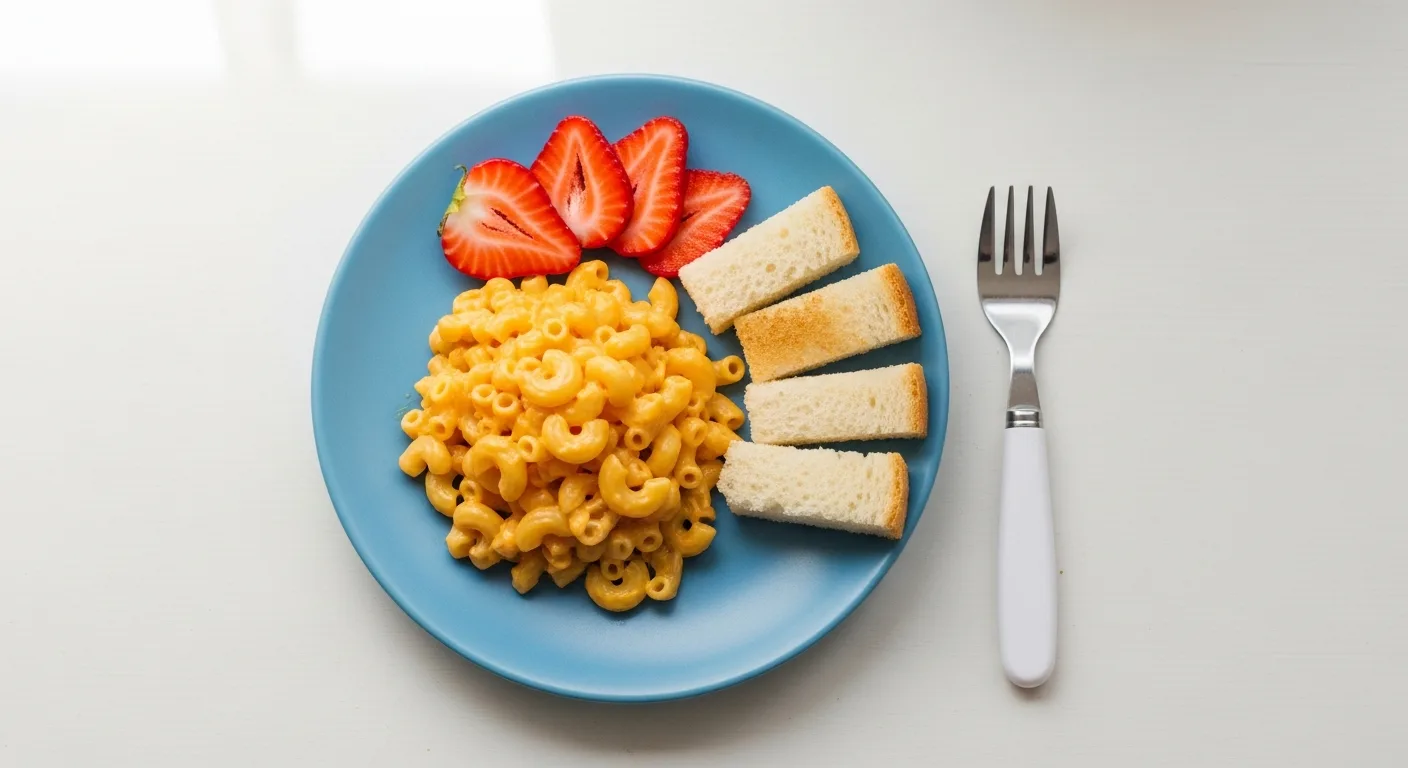
Photo: Pexels
You made their favourite pasta. You even cut it into the little shapes they asked for last week. You set it down in front of them with a smile. They looked at it, looked at you, pushed the bowl away, and said no. The toddler who ate everything last week now refuses every single plate you put in front of them — and the panic that immediately follows is something most parents know intimately. Is something wrong? Am I failing? Will they actually starve?
Take a breath. You are not failing. And no — they will not starve. Toddler not eating phases are one of the most common — and most stressful — experiences of toddlerhood. At allthingstoddlers.com we specialise in practical toddler meal solutions for working moms — from quick recipes to picky eater strategies that actually work in real family kitchens. This guide covers everything: why it happens, what to do, what to stop doing, and how to tell the difference between normal toddler food refusal and something that needs professional support.
First — Your Toddler Will Not Starve
Before anything else, you need to hear this: healthy toddlers have an extraordinarily powerful self-regulation mechanism. Research consistently shows that toddlers are born with the ability to match their food intake to their genuine caloric needs — and when that system is left undisturbed, it works. The problem is that parental anxiety, however well-intentioned, tends to disrupt the system by layering pressure, negotiation, and urgency onto mealtimes.
According to child development research, a toddler's appetite is genuinely unpredictable day to day. They may eat almost nothing on Tuesday and consume twice their usual intake on Wednesday. The mistake is looking at a single meal or single day as a meaningful data point. Look at weekly intake, not daily intake. When you zoom out to a week, you will almost always find that your toddler consumed more nutrition than it appeared.
When to actually worry: weight loss, dropping off the growth curve, a repertoire of fewer than five accepted foods, visible distress at the sight of food, gagging or choking, or refusal lasting more than three months. These are signals worth discussing with your doctor. Normal toddler food refusal — a few weeks of pushing plates away, going through phases, or suddenly rejecting previously loved foods — is not.
📊 Research shows that 25% of toddlers exhibit food refusal regularly, making it one of the most common toddler developmental phases. You are far from alone.
Why Is My Toddler Not Eating — The Real Reasons
Definition
What is toddler food refusal?
Toddler food refusal is when a child between the ages of 1 and 4 regularly refuses to eat meals or specific foods. It is one of the most common toddler feeding challenges and affects approximately 25% of toddlers globally. Food refusal is usually developmental and temporary — not a sign of a medical problem.
Understanding the reason behind toddler food refusal is the first step to responding effectively instead of reactively. Most of the time, there is a completely logical developmental or physiological explanation.
Developmental Independence
Between ages one and three, toddlers are in the midst of the most intense developmental push for autonomy they will ever experience. Saying no is not defiance — it is healthy neurological development. Food is one of the few domains where a toddler has genuine control, and many instances of toddler refusing food have far more to do with asserting independence than with hunger or taste. Paediatric feeding specialists agree that power struggles at the table almost always make refusal worse, not better.
Growth Slowdown
After the rapid growth of the first year, a toddler's growth rate drops dramatically — and their appetite drops with it. A one-year-old genuinely needs less food than they did at ten months, and a two-year-old genuinely needs less than you probably expect. The toddler stomach is approximately the size of their fist. Tiny portions are not a failure — they are appropriate. According to child development research, parents consistently overestimate how much toddlers should eat.
Sensory Sensitivity
Research shows sensory issues affect a significant portion of toddlers, and food is one of the most sensory-rich experiences in their day. Texture, temperature, smell, and the mixing of foods on a plate all trigger strong sensory responses. This is why a toddler will eat plain pasta without hesitation but refuse the exact same pasta with a sauce — the texture has changed. This is not stubbornness. It is a legitimate sensory experience that deserves a measured response.
Too Much Snacking or Drinking
One of the most overlooked causes of toddler not eating dinner is that they are simply not hungry. Toddlers who snack continuously throughout the afternoon arrive at the dinner table with no appetite. Milk — especially if offered freely — is a significant appetite suppressant because it is calorie-dense. Juice and sweet drinks have the same effect. If your toddler drinks more than 400ml of milk per day, that alone may be why they are not eating at mealtimes.
Illness or Teething
Temporary appetite loss during illness is completely normal and is not cause for concern in an otherwise healthy toddler. Teething pain — which can be significant during the second year — makes chewing uncomfortable and often triggers refusal of previously accepted foods. Watch for other teething signs: drooling, cheek rubbing, irritability. Appetite almost always returns to normal once illness passes or teeth come through.
Neophobia — Fear of New Foods
Fear of new foods — neophobia — is a hardwired evolutionary response that peaks between ages two and six. Studies show toddlers need to be exposed to a new food between 6 and 15 times before they feel comfortable enough to try it. This is not a character flaw. It is your toddler's prehistoric survival instinct telling them not to eat unknown substances. Understanding this makes the slow pace of food acceptance far less personal and far more manageable.
📊 Studies show toddlers need to be exposed to a new food between 6 and 15 times before they feel comfortable accepting it. Each exposure counts — even touching or smelling the food.
What To Do When Your Toddler Won't Eat — 12 Strategies That Work
These strategies are not tricks. They are evidence-based approaches rooted in child development research and used by paediatric feeding specialists. Implement them consistently and you will see results — usually within two to four weeks.
Stop Watching Them Eat
Parental anxiety transfers directly to toddlers at the table — and research shows that watching a toddler eat with obvious concern increases refusal. Busy yourself. Check your phone. Stir something on the stove. Look away. What to say: 'Here is your dinner. Let me know if you need anything.' Then genuinely disengage. The table should feel like a low-stakes, pleasant experience — not an exam you are watching them take.
Apply the Division of Responsibility
This is the single most evidence-based framework in paediatric feeding. Developed by dietitian Ellyn Satter and used by feeding therapists globally: you are responsible for what food is offered, when it is offered, and where. Your toddler is responsible for whether they eat and how much. You decide what goes on the plate. They decide how much they eat. Never force, never bribe, never negotiate. This boundary, held consistently, resolves most cases of toddler food refusal.
Always Include One Safe Food at Every Meal
At every single meal, include at least one food you know your toddler will eat alongside the new or less-familiar foods. This is not making a separate toddler meal — it is a simple scaffold that guarantees some nutrition and reduces anxiety. When toddlers know there is always something acceptable on their plate, they approach the table with far less defensiveness. Over time this builds the trust needed to try new things.
Reduce Snacks Before Meals
Nothing to eat or drink except water for 90 minutes before a meal. This is non-negotiable if you want a hungry toddler at the table. Reduce milk to no more than 350ml-400ml per day total. Replace juice with water. A toddler arriving at dinner genuinely hungry is a completely different mealtime experience from one who had crackers and milk at 4:30pm.
Make Mealtimes Completely Pressure-Free
No praise for eating. No punishment for not eating. No 'one more bite.' No 'you're such a good eater.' Studies consistently find that praise around eating — even positive praise — increases food refusal by associating mealtimes with performance. Neutral mealtimes produce significantly better long-term outcomes. The goal is for food to feel completely low-stakes. Eat together as a family whenever possible — toddlers learn by watching adults eat the same foods without comment.
Serve Impossibly Small Portions
An overwhelming amount of food on a plate causes immediate refusal in many toddlers. Start with portions that look almost comically small — a teaspoon of each food. They can always ask for more, and the experience of finishing a whole plate builds genuine confidence and appetite. Paediatric feeding specialists agree that tiny portions reduce anxiety and increase the likelihood of tasting.
Let Them Play With Food
Food play is food exposure — and exposure is what eventually leads to acceptance. Touching, smelling, looking at, and moving food around a plate all count as exposure even without any eating occurring. According to child development research, the 6 to 15 exposures needed before acceptance include non-eating interactions. Never discourage food play — it is your toddler doing the work of eventually accepting new foods.
Cook Together
The evidence suggests that toddlers who help prepare food are significantly more likely to eat it. Simple toddler kitchen tasks include washing vegetables, tearing lettuce, pouring pre-measured ingredients, stirring, pressing cookie cutters. The ownership effect is powerful — 'I made this' changes the emotional relationship with the food entirely. It also provides low-pressure exposure to ingredients before they ever reach the plate.
Eat the Same Foods Yourself
Toddlers are profoundly influenced by what the adults around them eat. Social learning around food is one of the most powerful mechanisms for expanding acceptance. If you want your toddler to eat broccoli, eat broccoli in front of them — with obvious enjoyment, with no comment about whether they should try it. Avoid making a separate toddler meal whenever you can. One family meal, one set of foods, everyone eating together. This is the environment where food acceptance grows fastest.
Create a Predictable Mealtime Routine
Toddlers thrive on predictability and toddler food refusal is often worse when mealtimes are chaotic or variable. Consistent meal and snack times — ideally at the same time each day — regulate appetite and reduce anxiety. A toddler who knows that lunch always happens at 12 and dinner at 5:30 arrives at the table primed and ready. Unpredictable mealtimes keep hunger cues confused and make refusal more likely. Our toddler routine after daycare guide covers how to structure the after-school dinner window specifically.
Respect Genuine Dislike Without Abandoning the Food
Some foods will not be accepted yet — and that is different from food refusal. A toddler who genuinely dislikes a texture or flavour is giving you real information. Respect it by removing that food from regular rotation for three to four weeks, then reintroduce it without fanfare. Never make a big deal of the reintroduction. The evidence suggests that foods refused in early toddlerhood often become accepted by age three or four with repeated, low-pressure exposure.
Check What They Are Drinking — Seriously
If your toddler is drinking more than 400ml of milk per day, more than 120ml of juice per day, or filling up on any sweet drink between meals, this is very likely the primary driver of your mealtime problems. Milk is calorie-dense and appetite-suppressing. Juice provides sweetness and sugar with no appetite stimulus. Switching to water at mealtimes, offering milk after meals rather than before, and reducing overall milk intake can produce dramatic improvements in mealtime eating within a week.
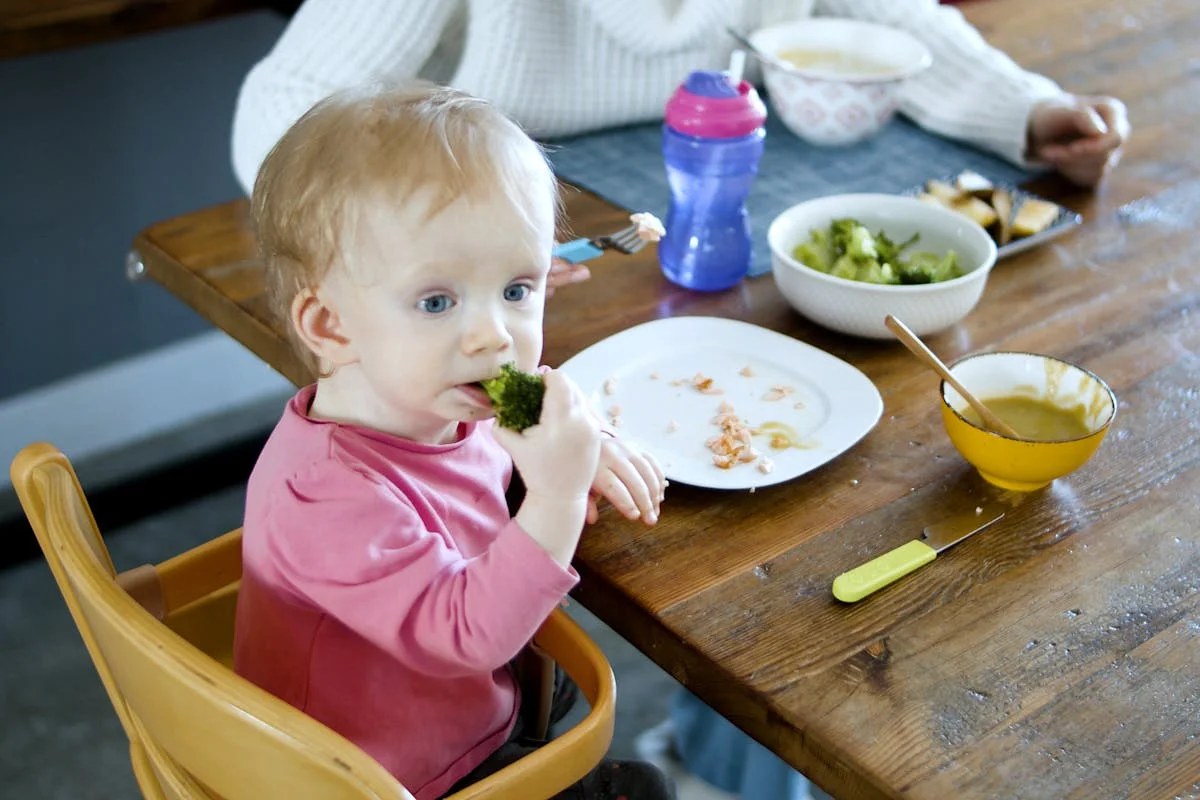
Photo: Pexels
Key Takeaways — What To Do When Your Toddler Won't Eat
- 1.Apply the Division of Responsibility — you choose what, they choose how much
- 2.Always include one safe food at meals
- 3.Remove all pressure from mealtimes — no praise, no punishment, no negotiation
- 4.Expose your toddler to new foods 6–15 times before expecting acceptance
- 5.Serve small portions — they can always ask for more
- 6.Cook together when possible — ownership increases acceptance
- 7.Check what they are drinking before meals
- 8.Look at weekly intake, not daily intake
📊 Research shows that applying pressure or praise around eating can actually increase food refusal in toddlers. Neutral mealtimes produce better long-term eating outcomes.
What NOT To Do When Your Toddler Refuses Food
The instinctive responses to toddler not eating anything are often the ones that make the problem significantly worse. Here is what to stop doing immediately.
🚫Never force feed — ever
Forcing a toddler to eat destroys trust, damages the feeding relationship, and creates negative associations with food that can persist for years. According to child development research, force feeding is associated with worse long-term eating outcomes, not better ones. If they are not eating, the meal ends calmly.
🚫Never use food as reward or punishment
Offering dessert as a reward for eating vegetables teaches toddlers that vegetables are bad things to be endured and dessert is the good thing. Studies consistently find this backfires — it increases rejection of the 'endured' food and elevates the desirability of the reward food disproportionately.
🚫Never make two separate meals
Making a separate toddler meal when they refuse the family meal teaches toddlers that refusal is the path to preferred foods. One family meal, one set of foods, one opportunity to eat. If they don't eat it, the meal ends. This boundary, held consistently and calmly, is one of the most effective tools available.
🚫Never show panic or upset at the table
Your emotional state is contagious. A visibly anxious parent creates a visibly anxious toddler — and anxious toddlers do not eat. Script for the table: 'No worries — dinner is here when you're ready.' Then go back to your own meal. Boredom is your friend at mealtimes.
🚫Never negotiate or bargain at mealtimes
'Just three more bites' is the most well-intentioned and most counterproductive phrase in the toddler mealtime lexicon. It teaches toddlers to eat to a number rather than to hunger, undermines their self-regulation, and turns the table into a negotiating arena. Remove the negotiation entirely.
🚫Avoid the alternative food trap
Offering an alternative when they refuse the meal — even something simple like toast — confirms that refusal is a viable strategy for getting preferred foods. The safe food rule (always one accepted option on the plate) means alternatives are already built in.
Toddler Not Eating by Age — What Is Normal
Food refusal looks slightly different at different developmental stages. Here is what is normal — and what to watch for — at each age.
Toddler Not Eating at 12–18 Months
This is when many parents first notice the shift — the baby who ate everything suddenly starts refusing. This is entirely normal and is driven by two factors: the growth slowdown after the first year (genuinely lower caloric need) and the beginning of independence. At this age, food texture becomes more important. Lumpy or mixed textures are often rejected. Keep offering finger foods, keep mealtimes calm, and do not read reduced appetite as a problem.
Toddler Not Eating at 2 Years Old
Age two is peak neophobia — the fear of new foods is at its most intense. A two-year-old who eats only familiar foods and rejects everything new is developmentally completely normal. The evidence suggests this is the age where the Division of Responsibility pays off most. Keep offering variety without pressure, include one safe food at every meal, and trust the process. This phase does pass.
Toddler Not Eating at 3 Years Old
Three-year-olds are increasingly verbal about their food preferences and can be remarkably determined. "I don't like it" is now a full sentence. Research shows that between ages three and four, children begin to gradually expand their food repertoire if the mealtime environment remains low-pressure. Involving them in meal choices and food preparation becomes increasingly effective at this age. Check for positive discipline strategies that work alongside feeding.
Toddler Not Eating at 4 Years Old
By four, many children naturally begin to expand what they will eat — particularly if low-pressure exposure has been consistent. If your four-year-old still has a very limited food repertoire (fewer than 15 accepted foods), it is worth discussing with your doctor or a paediatric feeding specialist. At this age, anxiety around food, peer influence at nursery or school, and emerging preferences all play a role. Social eating — meals with other children — is one of the most effective tools for encouraging food acceptance in four-year-olds.

Photo: Pexels
When Toddler Food Refusal Is a Bigger Concern
The vast majority of toddler food refusal is normal, developmental, and temporary. But there are situations where professional support is genuinely warranted — and asking for help is not failure.
Paediatric feeding therapy is effective, evidence-based, and nothing to be ashamed of. If your toddler's food refusal is affecting their growth, their quality of life, or your family's wellbeing, a referral to a paediatric dietitian or feeding therapist is a completely reasonable next step. You are not failing by asking for help.
Quick Toddler Meal Ideas When They Refuse Everything
When you are in the thick of a my toddler won't eat phase and you just need something on the table, here are ten simple, nutrition-dense fallback meals that most toddlers accept even in difficult phases. Focus on density — even a few bites of these provides real nutrition.
For more ideas specifically built around picky eating, our picky toddler meal ideas guide has 25 recipes that work for even the most selective eaters. And our toddler meals for working moms collection covers quick weeknight options when you need something on the table fast.
If you are completely stuck on what to cook for a toddler who refuses everything, the Little Bites Bundle has 30 quick recipes specifically tested for picky eaters, along with a 4-week meal plan and a picky eater survival guide — everything in one instant download. It takes the daily "what do I even make?" question completely off the table.
Frequently Asked Questions
How long does toddler food refusal last?
Most toddler food refusal phases last anywhere from a few weeks to a few months. When pressure is removed from mealtimes and the Division of Responsibility is consistently applied, many families see improvement within two to four weeks. Neophobia — the fear of new foods — can persist longer, typically from ages 2 to 6, but gradually improves with repeated low-pressure exposure. If refusal has lasted more than three months and is affecting growth, speak to your doctor.
Should I let my toddler go to bed without eating?
Yes — if your toddler has genuinely refused dinner, letting them go to bed without eating is fine for a healthy child. Research consistently shows that forcing food or creating a stressful bedtime standoff causes far more long-term damage to the feeding relationship than one missed meal. A toddler will not starve from skipping a single dinner. Offer a small, calm snack about 30 minutes before bed if you are concerned — something simple like a banana or a piece of cheese.
My toddler only eats 3 foods — is this okay?
An extremely limited food repertoire of five or fewer accepted foods — sometimes called ARFID (Avoidant/Restrictive Food Intake Disorder) — is worth discussing with your doctor or a paediatric feeding therapist. However, a toddler who happily eats 10 to 20 foods, even if those foods feel boring to you, is within normal range. Focus on whether the accepted foods provide adequate nutrition and whether your toddler is growing well. Keep offering variety without pressure.
Why does my toddler refuse food then ask for snacks?
This is one of the most frustrating toddler mealtime patterns and it almost always comes down to two things: the snack is more appealing (usually sweeter, crunchier, or more familiar), and your toddler has learned that refusing meals leads to preferred snacks. The fix is consistent boundaries — mealtimes happen at predictable times, snacks happen at predictable times, and the kitchen is closed in between. Avoid rewarding meal refusal with preferred foods.
My toddler suddenly stopped eating what they used to love — why?
Sudden food rejection — sometimes called 'food jag reversal' — is extremely common and is driven by the same neophobia mechanism that makes toddlers reject new foods. Toddlers can become saturated with even previously loved foods, particularly if those foods were offered too frequently. The most effective response is to remove the rejected food from rotation for two to four weeks and then reintroduce it without fanfare. Avoid showing distress or making it an event.
When should I worry about my toddler not eating?
Consult your doctor if your toddler is losing weight, dropping off their growth curve, has a food repertoire of five or fewer foods, shows distress or gagging at the sight of food, or if food refusal has lasted more than three months. Also seek help if you suspect an underlying issue such as reflux, sensory processing difficulties, or anxiety around eating. You are not failing by asking for help — paediatric feeding therapy is effective and you deserve support.