
Toddler Homeschool Routine: Simple Daily Schedule That Actually Works
You want to do more with your toddler at home — more learning, more intentional play, more of those moments where you can see their brain making connections in real time. But every time you try to sit down and plan something, you end up on a Pinterest spiral at midnight wondering how anyone actually does this with a toddler who will not sit still for more than four minutes.
Here is the truth: a toddler homeschool routine does not need to be complicated, expensive, or perfectly executed. What it needs is structure, flexibility, and realistic expectations. This guide gives you exactly that — by age, by time block, and without the overwhelm.
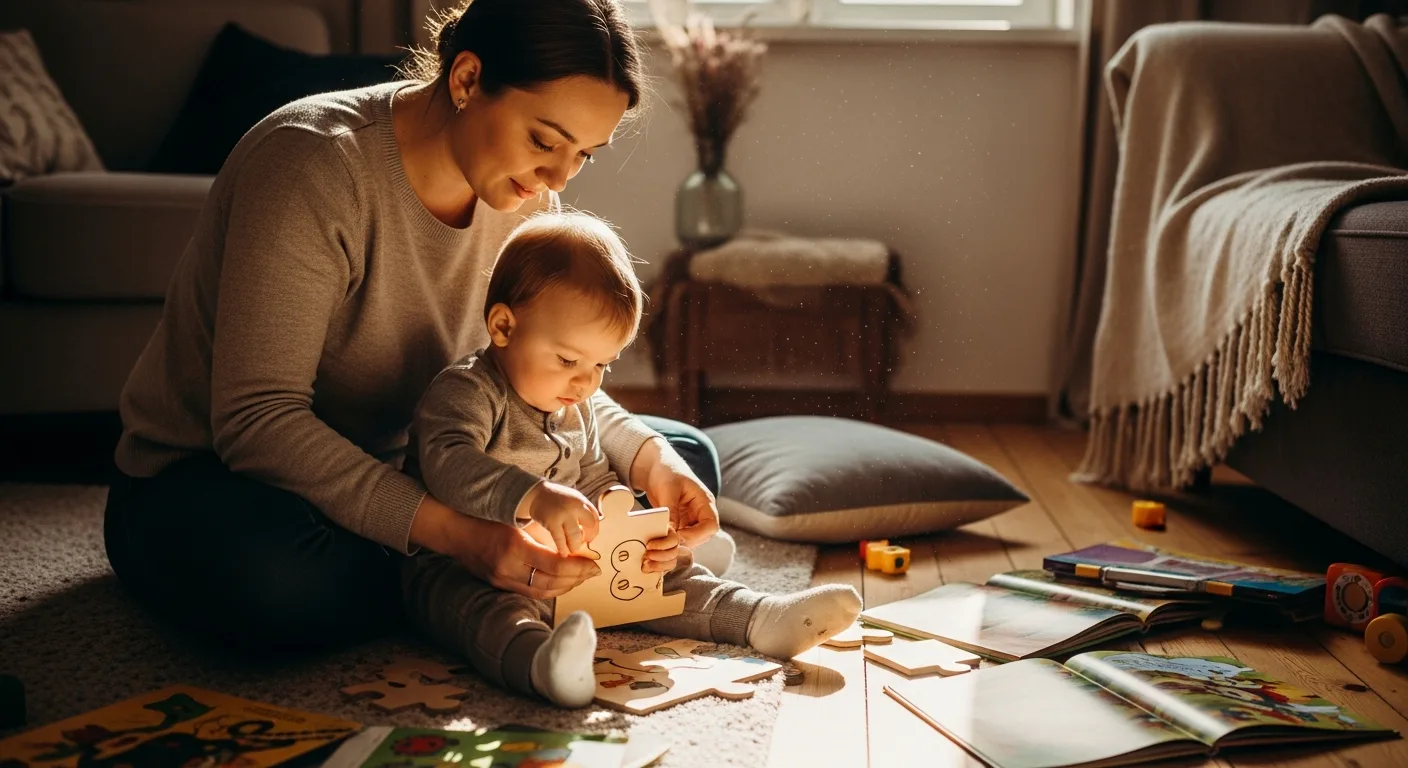
What Toddler Homeschooling Actually Looks Like
Before we get into schedules, let us be clear about one thing: toddler homeschooling does not look like school. There is no desk. There are no worksheets. There is probably playdough on the floor and a book that got abandoned halfway through.
Play-based learning is not a compromise — it is developmentally the most appropriate and effective way for children under five to learn. When your toddler sorts blocks by colour, they are doing mathematics. When they fill and pour water cups, they are exploring volume and physics. When they engage in pretend play, they are developing language, emotional intelligence, and narrative thinking.
Realistic expectations matter enormously here. A toddler homeschool routine is not going to produce a four-year-old who reads chapter books independently. What it will produce is a child who loves learning, has a rich vocabulary, strong fine motor skills, curiosity about the world, and a genuine attachment to books — which is a far better foundation for formal education than any flashcard could provide.
Our broader guide to toddler daily routines covers how to structure the whole day — the homeschool elements sit within that larger framework.
Benefits of a Toddler Homeschool Routine
Predictability reduces tantrums
Toddlers feel safe when they know what comes next. A consistent daily structure — circle time, activity, outdoor play, lunch, rest — gives them the predictability their developing nervous systems need. Fewer transitions that catch them off-guard means fewer meltdowns.
Supports development naturally
A well-designed toddler homeschool routine covers language development through books and conversation, physical development through outdoor and gross motor play, cognitive development through structured activities, and social-emotional development through consistent interaction with you.
Builds independence
Having predictable blocks of time — including free play where you are not directing every moment — teaches toddlers to entertain themselves, make choices, and complete self-directed tasks. Independence developed early makes the school years much smoother.
How to Build Your Toddler Homeschool Routine
Three principles that make the difference between a routine that works and one that collapses by day three:
Keep it short and flexible
A toddler's attention span is roughly their age in minutes — so a two-year-old can focus on one thing for about two to three minutes before needing a change. Plan activities in short blocks and build in flexibility. If something is not working today, pivot without guilt.
Follow their interests
A toddler obsessed with dinosaurs will engage with counting (counting dinosaur figures), art (drawing dinosaurs), reading (dinosaur books), and outdoor exploration (fossil hunting) far more readily than an arbitrary topic. Interest-led learning is not lazy parenting — it is smart teaching.
Balance structured and free play
Research consistently shows that toddlers need both adult-directed activities and long blocks of unstructured play. Too much structure is exhausting and counterproductive. Too little leaves developmental gaps. Aim for roughly equal amounts of each across the day.
Sample Toddler Homeschool Routine by Age
These sample schedules are starting points, not rigid prescriptions. Adjust times to fit your family's nap schedule, work schedule, and your toddler's natural rhythms. For a sample daily schedule with times mapped out, see our sample toddler daily schedule guide.
12–18 Months Homeschool Routine
At this age, everything is learning. You are not homeschooling in any formal sense — you are creating a rich, responsive environment.
Free exploration and sensory play
Let them touch, mouth (safely), and investigate objects and textures. A sensory bin filled with dry pasta or fabric scraps, 10–15 minutes of supervised play.
Reading together
Two to three board books read slowly, pointing to pictures and naming things. You don't need to read every word — conversation about the pictures counts.
Outdoor time
Even 20 minutes outside — watching leaves, touching grass, picking up sticks — provides more developmental input than any structured activity at this age.
Music and movement
Songs, rhymes, clapping, and dancing before bath and bed. Language development happens through rhythm and repetition.
18 Months – 2 Years Homeschool Routine
Beginning to understand simple instructions and show strong preferences. Follow their lead and keep everything short.
Hello song + weather check
A consistent morning song and a look out the window to talk about the weather builds routine and early observation skills.
Simple art or sensory activity
Finger painting, playdough, water play with cups and spoons. Focus on the process, not the outcome. Let it get messy.
Nature walk or garden play
Point out colours, count steps, look for bugs. Nature provides endless free learning at this age.
Books before nap and bedtime
Two to three books each session. Repeat favourites — repetition builds vocabulary and comprehension.
2–3 Years Homeschool Routine
Language is exploding. This is when learning through conversation becomes especially powerful — narrate everything.
Calendar, weather, feelings check-in
A simple felt board or whiteboard where you mark the day, weather, and how everyone is feeling. Short, predictable, and surprisingly engaging for this age.
Themed learning or skill activity
Puzzles, sorting by colour or shape, simple matching games, letter recognition through books, counting objects up to 10. One focused activity per session.
Active play
Running, climbing, kicking a ball, jumping in puddles. Physical development is cognitive development at this age.
Art, music, or imaginative play
Drawing, sticking, building with blocks, pretend play. Let them direct this time completely.
3–4 Years Homeschool Routine
Ready for more intentional learning windows with longer attention spans. Can follow two-step instructions and sit for short activities.
Calendar, weather, letter and number of the week
Introduce a 'letter of the week' — books, activities, and games all themed around one letter. Builds early literacy familiarity without pressure.
Focused academic or creative task
Simple writing practice (tracing), number recognition and counting, science experiments (mixing colours, planting seeds), or geography through a children's atlas.
Structured outdoor activity
Nature journals, scavenger hunts, obstacle courses, or gardening. Outdoor learning at this age is some of the most effective.
Puzzles, audiobooks, or independent play
Building independence and the ability to entertain themselves is itself a homeschool skill. This window gives you a breather too.
Chapter books or longer picture books
At 3–4 years many toddlers can sit through longer stories. This builds vocabulary, listening comprehension, and a genuine love of books.
What to Include in Your Toddler Homeschool Routine
A complete toddler homeschool routine covers six core elements. You do not need to hit all six every single day — but across a week, you want a good mix of each. For specific activity ideas within these blocks, our memory games for toddlers and fine motor activities for toddlers guides are full of age-appropriate options.
Morning Circle Time (10 minutes)
A predictable opening ritual that signals learning time has begun. Say good morning, check the weather, talk about the day of the week, sing a familiar song. The content matters less than the consistency — toddlers thrive on ritual.
Sensory or Art Activity (20 minutes)
Hands-on activities that engage touch, sight, and creative thinking. Playdough, finger painting, water beads, sand play, or loose parts exploration. Set up the activity and step back — watching what they do with it is often the most valuable part.
Outdoor Time (30 minutes)
Non-negotiable and often the most valuable part of any toddler homeschool routine. Gross motor development, sensory input from nature, Vitamin D, and unstructured exploration all happen outdoors in a way nothing inside can replicate.
Reading and Literacy (15 minutes)
Reading aloud to toddlers is the single highest-impact thing you can do for their language development. Include books above their current level — the vocabulary exposure matters even when they do not understand every word.
Free Play (30+ minutes)
Unstructured play is not a break from learning — it is the most important learning of the day. Problem-solving, creativity, emotional regulation, and social understanding all develop during independent play. Do not fill every gap with activities.
Life Skills Practice (10 minutes)
Helping pour their own cup of water, putting toys away in the right box, folding a washcloth, watering a plant, spreading butter on toast. Practical life skills build independence, fine motor control, and self-confidence simultaneously.
Want help generating activity ideas that match your toddler's age and interests? The free Toddler Activity Generator creates personalised activity suggestions in seconds — perfect for filling those learning blocks without having to plan everything from scratch.
Toddler Homeschool Routine for Working Moms
A full-day homeschool routine is not realistic for most working parents. But a toddler homeschool routine does not have to fill the entire day to be valuable — the research is clear that intentional, focused learning windows work better for toddlers than marathon sessions anyway.
Before-work learning window (20–30 min)
A morning read-aloud, a quick sensory activity set up the night before, or a simple craft at the kitchen table before the day begins. Short, consistent, and genuinely valuable — this window adds up across the week.
After-care or after-daycare decompression (15–20 min)
Toddlers who attend daycare need decompression time before structured activities. A calm sensory activity — playdough, water play, or a quiet puzzle — after pick-up is more effective than trying to launch into a learning activity immediately.
Weekend homeschool sessions (1–2 hours across the day)
Weekend mornings, when everyone is rested, are often the richest learning time for working families. A longer morning circle, an outing with an educational element (museum, nature walk, market), and an afternoon craft or reading session covers significant ground.
Involve caregivers
If your toddler is with a grandparent, nanny, or carer during working hours, share your learning goals and leave simple activity ideas. A caregiver who reads three books, does a sensory activity, and goes outside every day is supporting your homeschool routine even when you are not there.
You do not have to do this perfectly to do it well. Consistency over time matters far more than any single perfect day. A toddler who gets 30 minutes of intentional learning five days a week, plus a richer weekend, is receiving an excellent foundation — even alongside daycare or a working parent schedule.
Frequently Asked Questions
What age should I start homeschooling my toddler?
You can begin a simple learning routine from 12 months — not with worksheets or structured lessons, but through intentional play, reading aloud, and sensory exploration. Most parents find 18 months to 2 years is when a more structured toddler homeschool routine starts to feel natural and rewarding. There is no single right age — you start when both you and your child are ready.
How many hours a day should a toddler homeschool?
For toddlers aged 1–2, 20 to 30 minutes of intentional learning activities per day is plenty. For 3–4 year olds, you might extend that to 45 minutes to an hour spread across the day. Remember that free play, outdoor time, and everyday life activities like helping with cooking or tidying also count as learning. Short, frequent bursts work far better than long sessions.
What curriculum should I use for toddlers?
Most toddlers do not need a formal curriculum — developmentally appropriate play-based learning is more beneficial at this age. If you want some structure, approaches like Montessori, Waldorf, or Charlotte Mason all adapt well to the toddler years. Many parents simply follow their toddler's interests, reading together daily, doing sensory activities, spending time outdoors, and incorporating counting and letters naturally through games and books.
How do I homeschool a toddler and work full time?
Most working parents focus learning into the before-work window (30 minutes of reading or a simple activity), the after-care or after-daycare period (a calm sensory activity to decompress), and a dedicated weekend learning session. Involving caregivers — explaining your learning goals and leaving simple activity ideas — means learning continues even on working days. It does not have to be perfect every day.
What are the best homeschool activities for toddlers?
The best homeschool activities for toddlers are ones that are hands-on and interest-led. Sensory bins (rice, water, sand), painting and playdough, puzzles, building blocks, sorting games, nature walks with observation, reading aloud, simple cooking tasks, and memory games are all excellent. The goal is engagement and exploration — not sitting still or completing tasks correctly.